

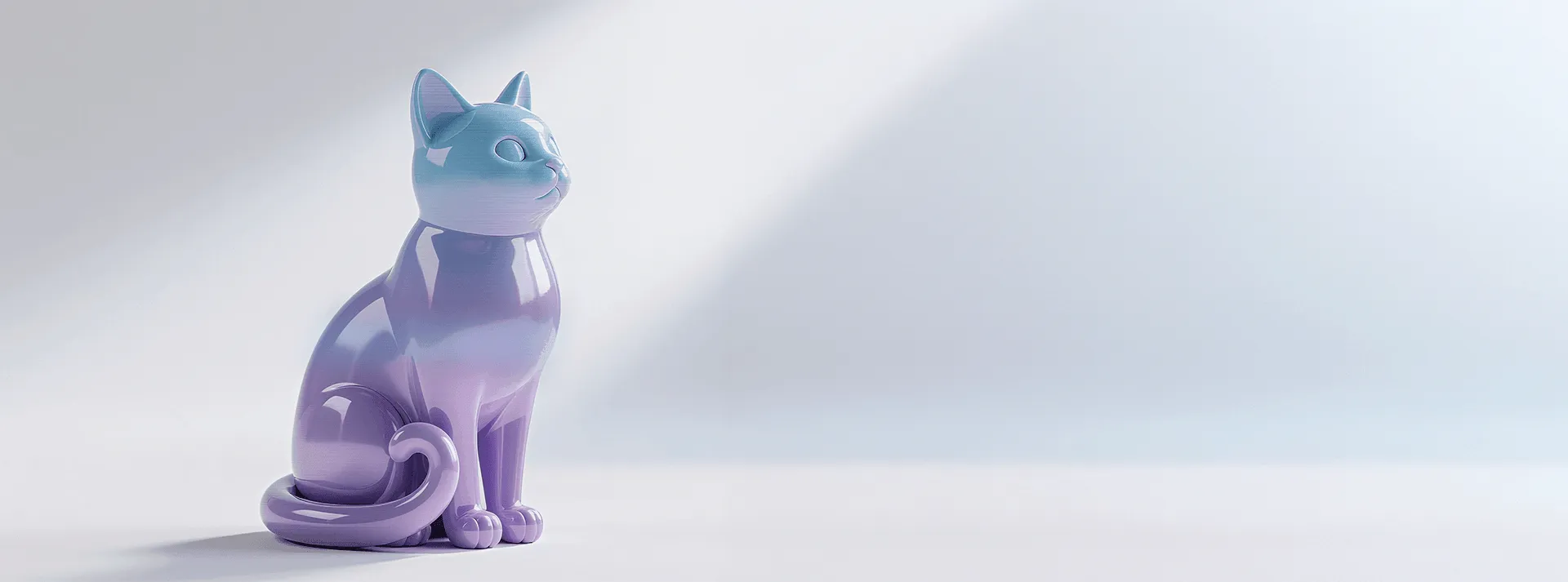
Visualizing three dimensional concepts often requires more than monochromatic plastic. Designers, engineers, and product developers frequently need rapid prototypes that highlight surface geometry, ergonomic contours, and aesthetic appeal. Traditional multi-material 3D printing often demands complex dual extrusion hardware, frequent tool changes, or labor intensive hand painting. Using PLA silk rainbow filament presents a streamlined alternative that achieves vibrant chromatic gradients within a single uninterrupted print run. By combining the silky surface finish of modified polylactic acid with gradual color transitions along the spool, this material transforms standard single nozzle desktop 3D printers into effective tools for multi-color presentation models. Integrating WonderMaker 3D PLA silk rainbow into early stage prototyping workflows allows teams to present compelling visual mockups while maintaining fast iteration cycles and manageable material costs.
Understanding Color Change Intervals and Satin Sheen Chemistry
Understanding the composition of PLA silk rainbow helps explain both its aesthetic appeal and its unique processing requirements. Standard polylactic acid is augmented with specialized elastomeric polymers and impact modifiers to generate its signature satiny sheen. During the manufacturing of rainbow spools, precise pigment transitions are injected continuously along the strand, creating smooth gradient cycles every few meters. This sequential color shift means that as the material feeds into the hotend, the printed layers gradually evolve from one shade to the next. The resulting surface reflection masks layer lines far more effectively than flat matte or standard glossy filaments. Consequently, light reflects off curved surfaces with a soft luster that accentuates complex geometries, organic curves, and detailed architectural facades without requiring manual polishing.
Strategic Benefits for Rapid Iteration and Visual Mockups
The primary motivation for selecting PLA silk rainbow in prototype development is the immediate visual differentiation it imparts without added assembly steps. When evaluating concept designs for consumer goods, decorative enclosures, or artistic assets, a monochromatic model can obscure subtle surface details. Multi hued gradient transitions highlight changes in contour and elevation, allowing stakeholders to perceive depth and form more intuitively. Furthermore, eliminating the need for primer, masking tape, and spray paint reduces post processing timelines significantly. Prototyping with WonderMaker 3D PLA silk rainbow enables design studios to move directly from the build plate to client review meetings with finished presentation pieces that display dynamic, eye catching color transitions across every surface.
Optimizing Slicer Configuration for High Reflection and Layer Bond Integrity
Achieving high visual quality with PLA silk rainbow requires careful calibration of hotend temperatures, travel speeds, and cooling settings. Because the polymer additives alter the flow characteristics of standard PLA, printing at typical temperatures can sometimes yield a dull surface finish. WonderMaker 3D recommends a nozzle temperature range of 190 to 230°C for Silk Rainbow, which provides a starting range for printer-specific calibration. Outer wall print speeds should be maintained at a moderate 30 to 45 millimeters per second to ensure uniform layer deposition and consistent sheen. If wall speeds fluctuate significantly across different sections of a model, the finish can vary unexpectedly from glossy to matte. Part cooling fans should be set between 40 and 60 percent to balance rapid overhang solidification with strong interlayer bonding.
Calculating Print Volume and Infill Settings to Control Gradient Frequency
A common concern among designers using rainbow filaments is predicting how frequently colors will transition across a specific object. The rate of color change is governed entirely by the volumetric mass of plastic extruded. On smaller objects with low infill, a single color shift may span the entire height of the model, resulting in a subtle two-tone effect rather than a full spectrum gradient. To achieve faster color transitions on smaller prototypes, designers can increase the infill density, add additional perimeter walls, or print multiple items simultaneously on the same build plate. Increasing total object volume consumes more filament per layer, forcing the material through its full color transition spectrum within a shorter physical height. WonderMaker 3D spools are manufactured with consistent transition intervals, enabling predictable gradient scaling across varying model dimensions.
Mitigating Stringing, Adhesion Risks, and Moisture Sensitivity
While PLA silk rainbow offers distinct aesthetic benefits, its modified chemical structure requires attention to specific mechanical parameters. Silk formulations exhibit slightly higher elasticity and thermal expansion compared to standard PLA, which can increase the likelihood of stringing or corner warping if settings are imprecise. Maintaining a heated build plate between 50 and 65 degrees Celsius ensures strong first layer adhesion on clean PEI or glass surfaces. Retraction distances should be tuned carefully to avoid aggressive pulls that might cause nozzle blockages in high temperature hotends. Additionally, silk additives render the filament slightly more hygroscopic than pure PLA. Storing spools in sealed dry boxes with active desiccant prevents moisture absorption, which can otherwise cause surface pitting, stringing, and diminished surface gloss during extrusion.
Enhancing Design Workflows with WonderMaker 3D Silk Rainbow
Adopting PLA silk rainbow into your additive manufacturing workflow provides a refined balance between aesthetic appeal and practical prototyping efficiency. By understanding how volumetric consumption influences color transition frequency and fine tuning thermal parameters, designers can produce high gloss, multi hued models with minimal post processing effort. Using WonderMaker 3D PLA silk rainbow ensures consistent pigment distribution, reliable layer fusion, and a smooth satin finish across every iteration. Whether creating ergonomic mockups, architectural displays, or artistic concept designs, mastering this versatile material allows studios to communicate visual ideas clearly, professionally, and efficiently across every project.
