

A purchase order for export becomes a shipment after several teams act on its specifications. Product design, material sourcing, production scheduling, inspection, packaging, and export coordination each contribute information the next step needs. When a buyer orders several furniture types together, the connections between these stages become as important as any single factory’s capacity. For a buyer assessing a China mattress supplier, a useful supply-chain review follows the order from specification to dispatch.
The commercial terms also shape that route. A trial order of one mattress model, a regular container order, and a mixed load of beds and sofas need different plans. The buyer can reduce surprises by asking which model, packaging, and quantity conditions apply before a delivery date is agreed.
Map the Work Behind the Purchase Order
Furniture categories use different components and processes. A mattress brief may specify foam layers, springs, cover fabric, and finished height; a bed or sofa brief involves structural dimensions and upholstery details. Design and R&D teams translate those requirements into production documents. Material availability and the production line then influence when work can begin. A supply chain becomes manageable when each handoff has a confirmed version of the product specification.
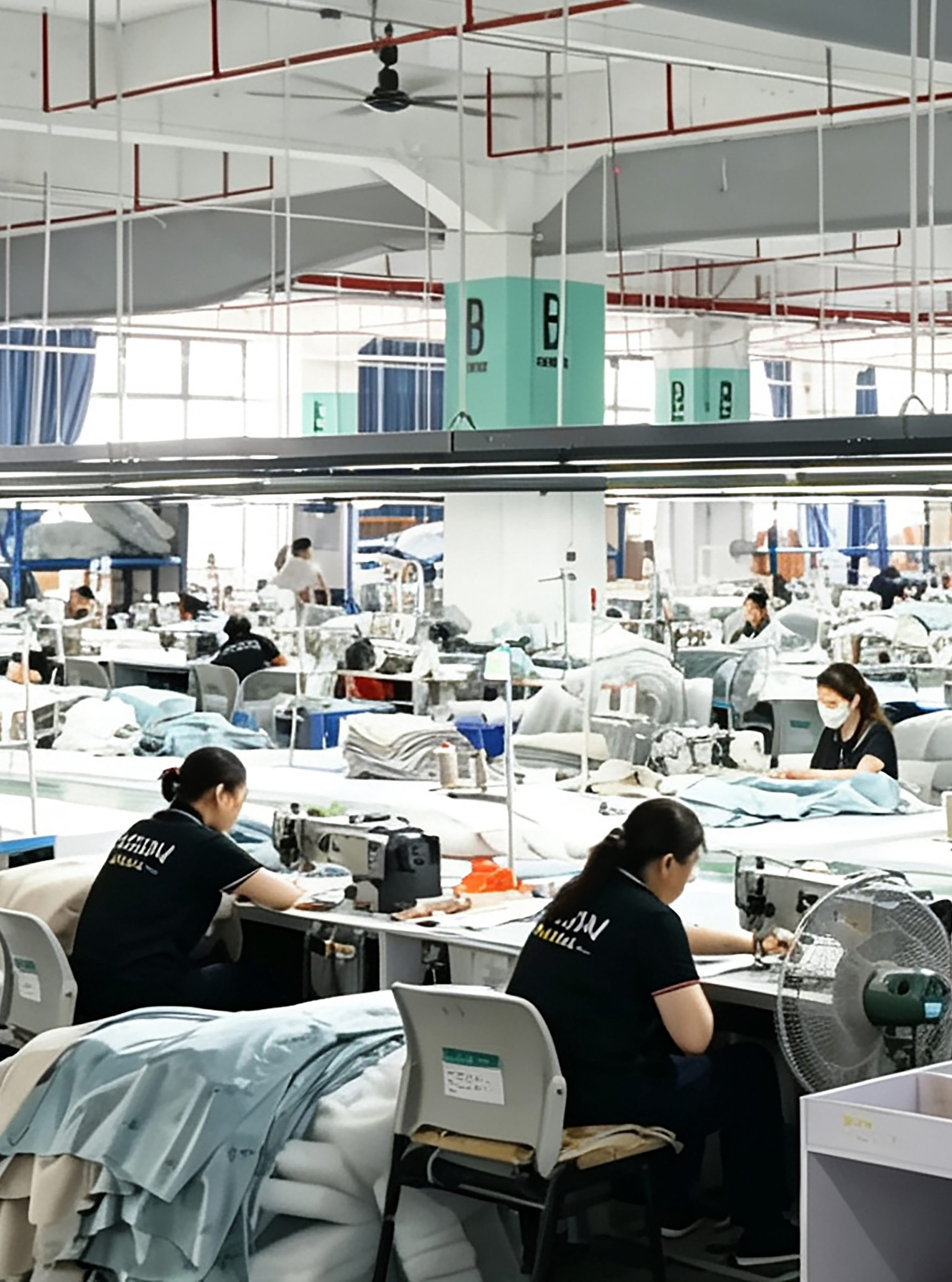
Three production bases and a 200,000 m² footprint show Suisin Furniture’s scale; design, R&D, standardized lines, inspection, sales, and export service support delivery. Its categories cover mattresses, beds, sofas, dining furniture, and complementary pieces for residential, hotel, apartment, and commercial use. These stated capabilities show the possible scope of an order, but buyers still need to identify which facility, product version, and packing method apply to their purchase.
The first handoff is often the least visible. A change from one fabric or size to another can reach materials purchasing, production, labels, and carton plans at different times. The purchase order should reference the approved sample or drawing and record any approved revisions. That prevents the product that arrives from being technically consistent with an obsolete specification.
The buyer can identify dependencies before asking for a lead time. A date offered without those conditions is difficult to use. Listing the dependencies shows which delay would affect the entire shipment and which can be isolated.
Let Quantity and Product Mix Shape Planning
Order volume changes the way production and freight are arranged. A small trial can test a model or presentation before a larger commitment, but it may not travel under the same cost conditions as a full container. A mixed order can help a buyer build a room collection, while combining different carton sizes and lead times complicates loading. The permitted mix needs confirmation at model and packaging level.
For mattresses, the trial-order threshold given by Suisin Furniture begins at 10 pieces for each color and model. A 40HQ container is a basis for regular orders; the model and packing choices determine whether products can share it. These are stated conditions, not a universal promise for every furniture item. A mattress supplier should confirm how those rules apply to a particular assortment, destination, and delivery timetable.
The packing plan can expose constraints not obvious in the sales list. A container may have enough nominal volume for the order but still load poorly if cartons cannot stack or must be separated. Weight and protection needs also matter. A written load estimate gives the buyer a basis for comparing a proposed mix with the container and for deciding whether a model should ship in another batch.
Keep Inspection and Export Information Connected
Inspection records identify the checked units so receiving teams can test whether shipped goods match. Incoming materials, production specifications, finished dimensions, surface condition, and packing should be tied to the approved product version. If several furniture types share one shipment, each category may need a different checklist. A single generic “passed inspection” statement provides little help when a specific model later differs from its sample.
Export service connects physical goods to documents and scheduling. Carton labels, item counts, packing lists, and handling instructions should agree with the contents. A mismatch may slow warehouse receiving even when the furniture itself is sound. The buyer can ask who verifies those records before loading and who communicates changes after dispatch.
For international buyers searching for a China mattress supplier, factory scale may be one screening point. The more practical question is how an order moves through three production bases and related services without losing its approved specification. Suisin Furniture’s stated network makes that question concrete, but the answer has to come from the actual production and shipment plan.
The handoff to export should include exceptions and routine data. If a sampled fabric is replaced, inspection and sales documents must carry the approved change. A supply chain remains visible when such changes can be traced through the records rather than reconstructed after delivery.
A supply-chain decision is strongest when the buyer can follow the order through design, materials, production, inspection, packing, and export. Quantities and product mix determine how those stages are scheduled. Before committing to a lead time, the buyer needs a visible chain of handoffs for the exact goods ordered.
