

Micro-loan providers have traditionally depended on credit histories, income records, collateral, and other formal indicators to evaluate applicants. That approach can leave many consumers outside the lending system, particularly when they have limited or no conventional credit records. The growth of mobile payments and digital financial services is creating another path. Transaction histories, payment behavior, and other consented digital signals can give lenders additional evidence for assessing creditworthiness.
Why Traditional Credit Data Can Leave Borrowers Out
Traditional credit assessment works best when applicants have established financial records. However, people entering formal financial services for the first time may have little information for lenders to evaluate. The World Bank notes that alternative data can help assess borrowers with limited or no credit history and potentially expand access to financial services.
This creates a significant opportunity for mobile financial services. Mobile accounts can generate records through payments, transfers, airtime purchases, bill payments, savings activity, and other transactions. Rather than treating the absence of a conventional credit file as an automatic rejection, lenders can use appropriate alternative information to develop a broader picture of an applicant’s financial behavior.
How Mobile Financial Services Generate Useful Signals
The value of mobile data comes from patterns rather than a single transaction. Regular payments, account activity, transaction frequency, cash-flow consistency, and repayment behavior may provide useful signals when combined with traditional credit information.
World Bank research has documented mobile-data-based lending models that use mobile transactions, mobile money usage, savings history, and previous credit information in credit scoring. Research has also identified airtime usage and other mobile records as potential inputs for evaluating customers who lack conventional financial histories.
For lenders, this approach can make eligibility assessment more granular. An applicant who does not have a long credit history may still demonstrate consistent financial behavior through everyday digital transactions. Such information does not guarantee repayment, but it can give risk teams additional evidence for making a more informed decision.
Designing a Responsible Alternative Data Model
Alternative data should supplement sound underwriting rather than replace it. A mobile financial services strategy should begin by identifying which data sources have a clear relationship with repayment capacity or financial behavior. Providers should then establish data-quality standards and determine how each variable contributes to an eligibility decision.
Consent and data governance are equally important. Regulators and industry bodies have highlighted risks surrounding privacy, data security, consumer protection, and inappropriate use of mobile records. The GSMA has specifically examined how mobile-network information may be used for credit scoring and the regulatory considerations surrounding such practices.
From Payment Platforms to Wider Financial Ecosystems
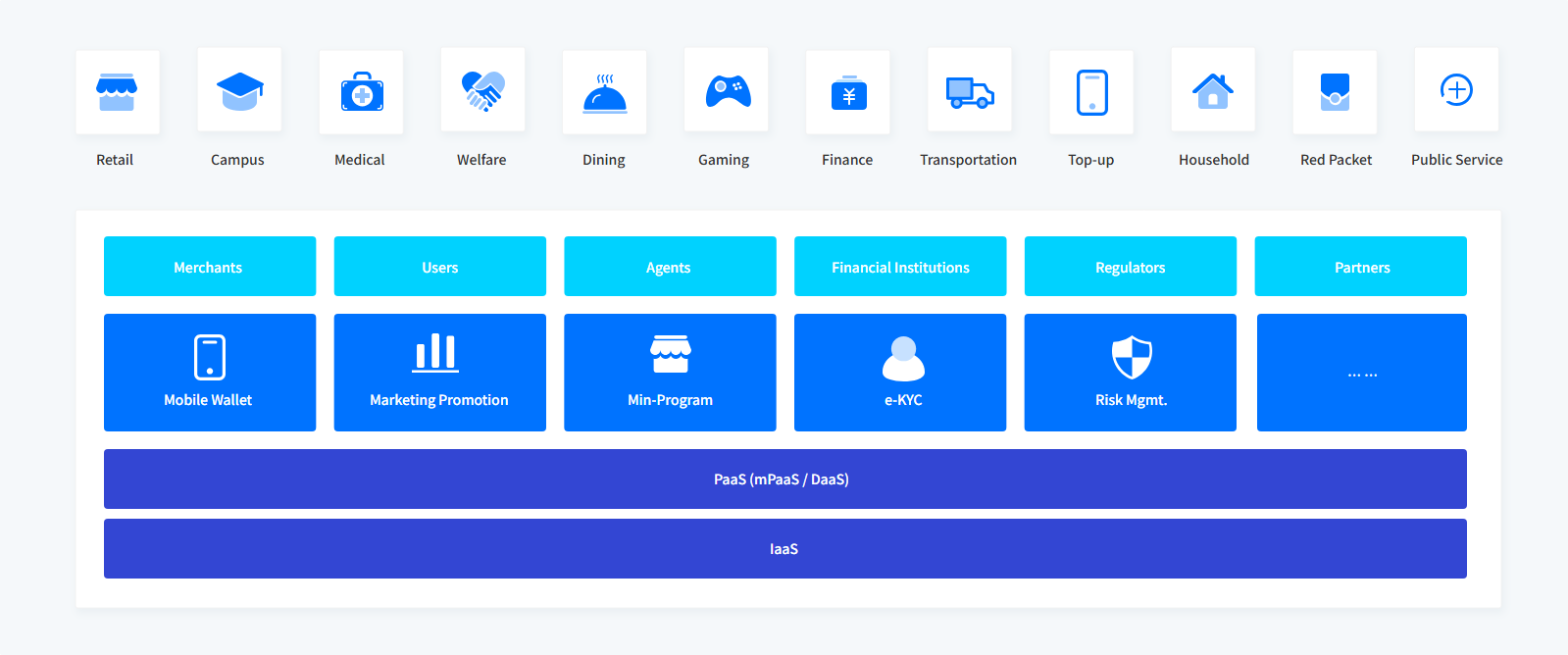
A white label payment platform can provide another layer of flexibility for organizations seeking to develop digital financial services under their own brands. Instead of building every payment capability independently, businesses can use configurable infrastructure to support transactions and connect financial services with their existing customer ecosystems.
This model becomes more relevant when payment activity is linked with other digital services. A provider operating payments, merchant services, savings features, or other mobile financial services can potentially create a richer, consent-based dataset for customer segmentation and financial product design. The World Bank has noted that digital financial services can use alternative data and analytics to improve access and create more tailored financial products.
Combining Alternative Data With Risk Controls
More data does not automatically produce better lending decisions. Credit models still need testing, monitoring, explainability, and appropriate safeguards. The BIS notes that alternative data can provide a “second look” for consumers who might not qualify through traditional credit-score-based underwriting, while emphasizing responsible risk assessment.
Lenders can therefore use a layered approach. Traditional credit information can remain a core reference, while verified transaction data and other permitted signals add context. Automated scoring can then help prioritize applications for further review or support faster decisions, depending on the institution’s risk framework and regulatory obligations.
Building Connected Digital Finance With Whale Cloud
The broader development of mobile financial services is also changing how businesses think about customer relationships. Digital payment ecosystems can connect consumers, merchants, financial institutions, and third-party service providers, allowing financial activity to become part of a wider digital lifestyle rather than a standalone transaction.
Whale Cloud provides full-stack digital and intelligent capabilities for telecommunications and enterprise customers. Its WhaleDI AI capabilities are positioned to support advanced AI applications, while its Digital Marketing Cloud uses AI-generated content and data-mining insights to support personalized marketing at scale. These capabilities are relevant to organizations seeking to connect customer intelligence with broader digital services.
Creating More Inclusive Micro-Lending Decisions
The future of micro-loan eligibility is unlikely to depend on a single source of information. A white label payment platform, connected mobile services, alternative data, and responsible analytics can give financial institutions more ways to understand customers who have historically been difficult to assess.
The objective should not be to approve more loans indiscriminately. It should be to make eligibility decisions using more relevant evidence while protecting customer privacy and financial health. As digital transactions become more widespread, mobile financial services can provide an important foundation for expanding responsible access to credit.
Whale Cloud helps telecommunications and enterprise customers build digital and intelligent capabilities across customer and business operations. Its WhaleDI AI and Digital Marketing Cloud offerings support data-driven digital transformation. Whale Cloud can help businesses evaluate digital solutions suited to their financial-service and customer-engagement goals. Contact Whale Cloud to explore how modern white label payment platform can support broader and more responsible micro-loan eligibility assessment.
