

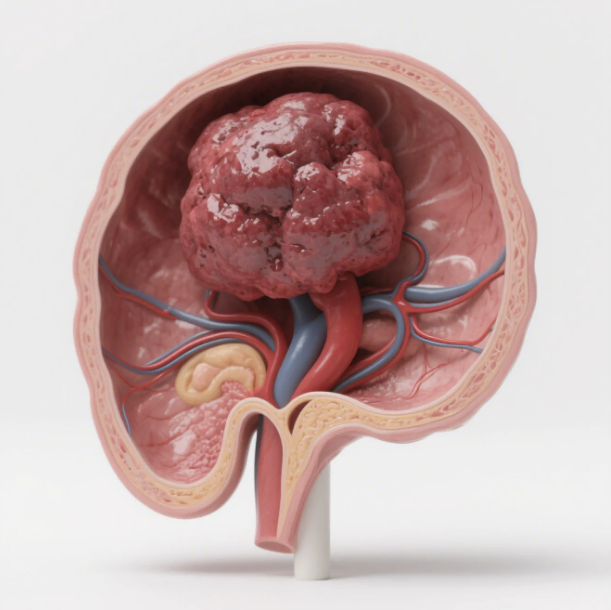
Developing new oncology therapies requires reliable research methods before clinical studies begin. Researchers need experimental systems that can provide useful information about tumor growth, drug response, and biological mechanisms. Selecting suitable tumor models is an important step because different models can support different research goals, from basic mechanism studies to preclinical drug evaluation.
The choice of a model depends on several factors, including research objectives, tumor characteristics, evaluation methods, and available resources. A suitable model can help researchers better understand treatment responses and improve the quality of early-stage studies.
Understanding Research Goals Before Model Selection
The first step is defining what researchers want to study. Some projects focus on tumor development mechanisms, while others evaluate the activity of anti-tumor compounds. Different goals require different experimental designs and model characteristics.
For example, a model used for drug screening may need to provide measurable changes after treatment. A model used for studying metastasis may require a system that can reflect tumor invasion and movement.
Researchers also need to consider the type of cancer being studied. Tumors from different tissues may show different biological behaviors, which means the selected model should match the research direction as closely as possible.
Comparing Different Types of Tumor Models
Several types of models are used in preclinical oncology research. Common options include spontaneous tumor models, induced tumor models, genetically engineered mouse tumor models, and xenograft or allograft models.
Xenograft models are widely used in many research projects because they allow researchers to evaluate tumor growth and drug responses in a controlled environment. Subcutaneous graft models, as one type of transplantation model, are often applied in early-stage drug studies.
When selecting tumor models, researchers should review the advantages and limitations of each type. Factors such as tumor microenvironment, immune response, and experimental purpose can influence whether a model is suitable for a specific project.
Evaluating Model Application and Data Requirements
A useful model should match the evaluation methods planned for the study. Researchers may need to analyze tumor volume changes, treatment response, molecular indicators, or other biological information depending on project requirements.
For immuno-oncology research, the interaction between tumors and the immune system is an important consideration. Some studies may require models that can better represent immune-related mechanisms and support the evaluation of new therapeutic approaches.
Jennio Biotech provides different preclinical research services related to tumor and tumor immunology studies. They develop experimental models and research solutions based on different project requirements. Their services include tumor model development and drug efficacy evaluation support for pharmaceutical companies and research institutions.
Considering Customized Research Support
Not every research project can use the same model design. Some programs may require customized approaches because of differences in drug types, targets, or disease mechanisms.
The tumor in situ model is one example of a model category used in tumor research. In situ models allow researchers to study tumors in a location that is closer to their original tissue environment. This can provide additional information for understanding tumor behavior and treatment responses.
Model customization may also involve selecting suitable tumor sources, adjusting study designs, or combining different evaluation methods. These options help research teams build studies that are closer to their scientific questions.
Reviewing Quality Standards and Research Capability
Beyond model selection, researchers should also review the technical support behind the service provider. Standardized laboratory procedures, experienced research teams, and clear reporting processes can influence the consistency of study results.
Jennio Biotech supports preclinical research projects with platforms covering areas such as tumor models, pharmacology studies, and disease model development. They focus on providing structured research services for clients who need support during early drug development stages.
For pharmaceutical companies and research organizations, cooperation with a suitable research partner requires attention to technical capability, communication efficiency, and project management methods. These factors can affect how smoothly a study moves from planning to data analysis.
Matching Models With Future Development Needs
Model selection is not only about current experiments. Researchers should also consider how the generated data may support later development stages. A well-planned study design can provide references for further research decisions.
For example, early evaluation of anti-tumor drugs may involve screening, efficacy testing, and mechanism analysis. Choosing appropriate models at each stage can help researchers collect information that matches their development plans.
A clear understanding of model functions, application areas, and research limitations allows teams to make more practical decisions. The second occurrence of tumor models should be considered within this wider research planning process, rather than viewed as a single experimental tool.
Building a Practical Approach for Oncology Research
Selecting suitable models requires a balance between scientific goals, technical requirements, and project conditions. Researchers need to review tumor characteristics, study objectives, and evaluation methods before starting a project.
A thoughtful model selection process can support more organized preclinical studies. With appropriate research planning and technical support, oncology teams can better explore drug activity and disease mechanisms during early development stages.
