

An IoT terminal device has a simple job at first glance: collect information and send it somewhere useful. In practice, several systems need to work together to make that possible. Sensors, processors, wireless modules, firmware, and cloud platforms each have a role. Electronics solutions help connect these elements into a functioning product rather than treating them as separate technical tasks.
The right approach depends on the device and its environment. A smart home sensor, wearable device, and industrial terminal can have very different communication and processing needs. Understanding these differences is an important part of IoT product development.
What Happens Inside an IoT Terminal?
An IoT terminal starts with physical information. Sensors collect data from the surrounding environment or from the device itself. The hardware then processes this information before it is transmitted to another system.
The device may need to handle temperature, movement, location, or other measurements depending on its purpose. The processor and firmware determine how this information is handled before transmission.
This creates several design questions. Engineers need to consider component selection, PCB layout, firmware behavior, power requirements, and communication methods as parts of the same system.
Why Is Wireless Integration Important?
Wireless communication gives an IoT terminal a way to exchange information with other connected systems. Different applications may require different communication protocols, so the wireless architecture needs to match the intended use.
A wireless module also affects the physical design. Antenna position, available board space, and surrounding components can influence communication performance.
Power consumption matters as well. Battery-powered terminals may need a different communication strategy from products connected to a constant power source. These requirements should be considered before the hardware architecture is fixed.
How Does Data Reach the Cloud?
Collecting data is only one part of an IoT system. The terminal also needs a suitable path for sending that information to a cloud platform or another connected system.
The communication process involves both hardware and software. The wireless module handles transmission, while firmware manages how information is collected, prepared, and sent.
A stable connection can also support real-time functions. For example, information from a connected sensor may need to reach a smart environment quickly enough to support a related action or response.
Smart Connectivity Has a Wider Role
Smart connectivity allows an IoT terminal to participate in a larger ecosystem. The device does not simply send data once. It may exchange information with other devices, platforms, or services over time.
This creates a need for clear communication between different parts of the product. The hardware must support the required protocols, while firmware needs to manage the communication process correctly.
The surrounding environment also matters. A device used in a smart home may have different connectivity requirements from an industrial terminal. Product teams need to define these conditions before choosing a suitable architecture.
What Role Does Firmware Play?
Firmware controls many of the actions that make an IoT terminal useful. It can determine when data is collected, how information is processed, and when communication takes place.
Hardware and firmware should therefore be considered together. A processor change can affect software requirements. A change in wireless communication can also affect memory, processing, and power planning.
Testing these functions together during prototype development can reveal issues that may not appear when hardware and software are tested separately.
Why Does PCB Design Affect Connectivity?
PCB boards serve as the physical foundation for most IoT‑enabled functions. Component placement and trace routing not only occupy board real‑estate for wireless modules and peripheral parts, but also directly impact radio‑frequency performance for wireless connectivity.
Compact IoT hardware brings extra design constraints. Sensors, processors, batteries, connectors and wireless modules must all fit within a confined enclosure footprint.
PCB revisions can impose changes on mechanical housing dimensions, while adjustments to enclosure mechanics may in turn force re‑arrangement of component layout on the circuit board. Hardware teams that evaluate PCB‑mechanical interdependencies at an early stage can greatly simplify downstream development work.
From Design to a Physical Device
Once the architecture is defined, prototyping gives the development team a physical version to evaluate. Wireless communication, firmware behavior, sensor functions, and mechanical fit can then be checked together.
Minewing provides IoT development and manufacturing services that connect physical devices with cloud systems through end-to-end solutions. They describe capabilities including wireless integration, multi-protocol communication, reliable data transmission, and smart connectivity.
Their work covers IoT products as well as smart home systems, wearable technology, industrial control products, and AI hardware. Their development and manufacturing services can include PCB design, PCBA production, enclosure design and manufacturing, assembly, testing, and packaging.
What Should Be Tested Before Production?
Prototype testing should cover more than basic device functionality. Teams can check whether wireless communication works as expected and whether the firmware handles data correctly.
The physical product should also be examined. Enclosure dimensions, component placement, connectors, and assembly conditions can affect the finished device.
DFM provides another useful checkpoint before production. It can help identify design details that may create difficulties during repeated assembly. Addressing these issues during development can support a smoother transition toward production.
Can Connectivity Scale With Production?
A successful prototype does not automatically solve production requirements. As quantities increase, component sourcing, assembly, testing, and quality control become more important.
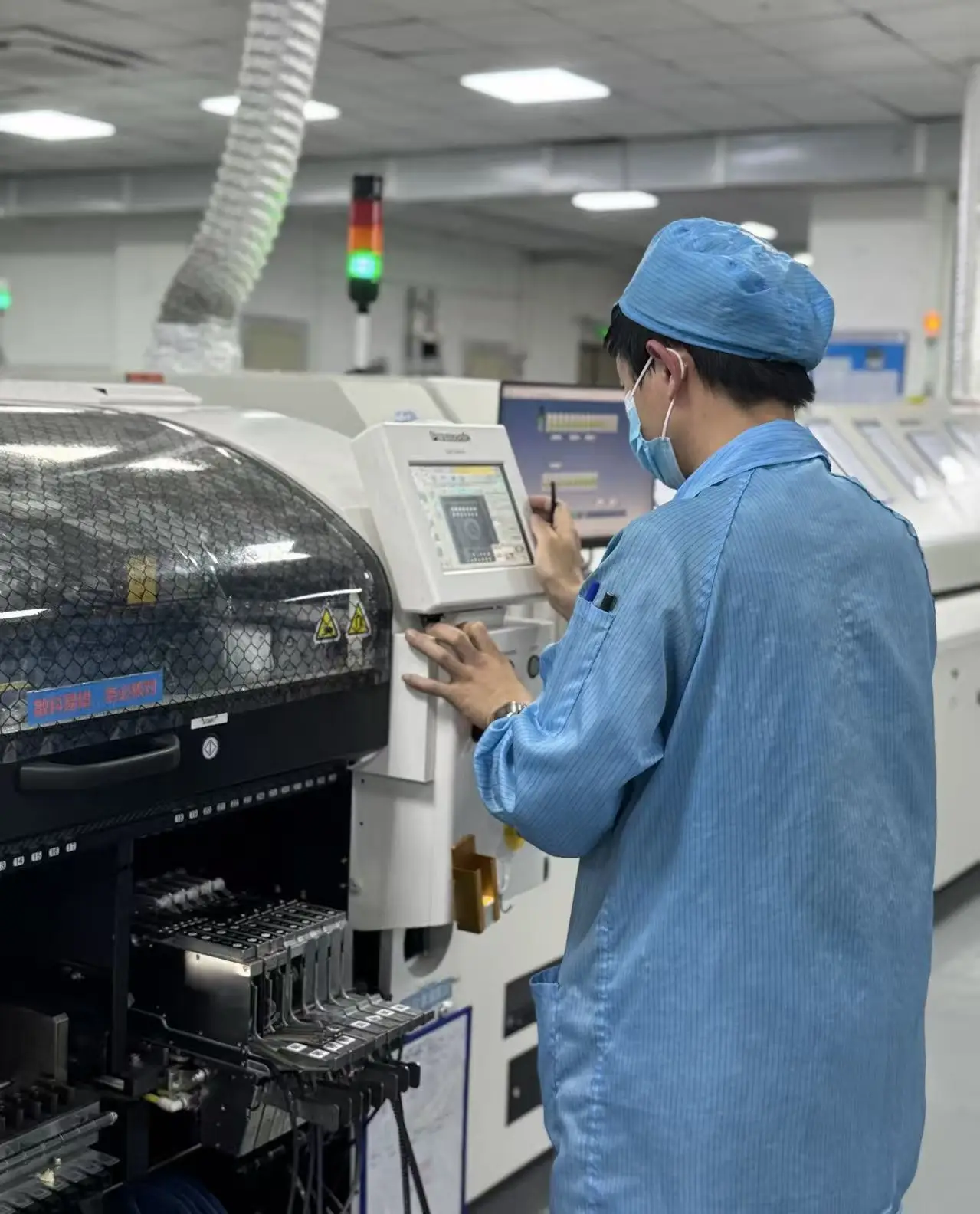
For an IoT terminal, the manufacturing process also needs to preserve the functions established during development. PCB assembly, enclosure production, firmware loading, and final testing need to work together.
This is one reason engineering and manufacturing coordination matters. When production feedback reaches the development team, design or process issues can be reviewed before they affect larger quantities.
How Can Businesses Approach IoT Development?
Businesses developing connected products can begin by defining the device’s purpose and communication requirements. From there, they can select suitable hardware, wireless methods, and firmware functions.
The next step is to test the complete system through prototypes. Testing should cover the device itself and its connection to the wider IoT environment.
For companies working with external development and manufacturing partners, an integrated workflow can reduce unnecessary separation between design, prototyping, and production. OEM, ODM, and JDM models can provide different ways to structure that cooperation.
A Connected Approach to Manufacturing
Minewing supports IoT product development through engineering and manufacturing services. They offer OEM, ODM, and JDM cooperation models and state that their services have no MOQ requirements. Their capabilities include rapid prototyping, DFM evaluation, hardware and firmware co-design, and manufacturing support.
This type of workflow can be relevant to design firms and businesses developing connected products. The value is not simply in producing a physical device. It is in keeping product development, connectivity requirements, testing, and manufacturing considerations connected throughout the project.
Making IoT Terminals Work as Systems
An IoT terminal works because several technical layers cooperate. Sensors collect information, processors handle it, firmware manages device behavior, and wireless communication transfers data to another system. Cloud connectivity then gives that information a wider role.
For development teams, this means connectivity should be considered from the beginning. PCB design, wireless integration, firmware, mechanical structure, testing, and production all influence the final result.
When evaluating turnkey manufacturing solutions, companies should therefore look beyond assembly capacity. The development process also needs to support the communication and integration requirements that make an IoT terminal part of a functioning connected ecosystem.
