

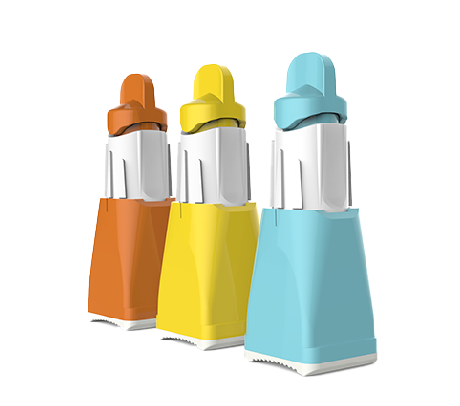
Reliable fingerstick testing depends on more than the puncture itself. The positioning of the device before activation can affect how smoothly blood collection proceeds, making skin contact an important part of the procedure. Pressure activated safety lancets rely on controlled contact between the device and the intended puncture site, so placement, stability, and pressure can affect activation and sampling consistency.
Understanding these factors can help healthcare professionals and people performing routine blood glucose checks recognize why seemingly small handling differences may influence the overall testing experience. SteriLance’s capillary blood collection devices show how activation mechanisms can be designed for real sampling needs.
Skin Contact Sets the Foundation for Activation
Device positioning establishes the relationship between the lancet and the skin before activation occurs. If the contact surface is tilted, unstable, or only partially positioned against the fingertip, the applied force may not transfer as intended. Such inconsistencies can make the activation process feel less predictable.
Finger selection also has practical implications. The fingertip should provide sufficient surface area for stable placement without forcing the device into an awkward angle. Excessive movement during contact can interfere with the controlled motion required during puncture.
Skin condition deserves attention as well. Extremely dry, thickened, or callused areas may respond differently from softer skin. Routine testing sites should therefore be selected with consideration for skin condition, previous puncture locations, and the requirements of the testing procedure.
Pressure Distribution Affects Sampling
The term “pressure-activated” describes the relationship between contact force and device activation, but it does not mean that greater force necessarily produces better sampling. Excessive pressure against the fingertip can create discomfort before activation even takes place, while insufficient or uneven contact may make activation more difficult.
Stable positioning generally provides better control than repeatedly adjusting the device after it touches the skin. The sampling site should remain steady, with the device aligned according to its instructions. Keeping the device stable can reduce unnecessary movement during puncture.
Pressure activated safety lancets can therefore benefit from designs that make the intended activation point easy to recognize. Clear tactile feedback, suitable grip surfaces, and predictable activation travel can help users interact with the device without relying on excessive force.
Matching Device Design to Skin Differences
Skin characteristics vary considerably among individuals, and even the same person may encounter different sampling conditions over time. Thickness, sensitivity, hydration, and the presence of callused areas can all influence how a fingerstick procedure feels.
Depth adjustment provides one way to accommodate some of these differences. Different settings may allow the puncture to be adapted to the intended testing situation rather than applying one fixed approach to every user. Such flexibility can be particularly relevant to routine self-monitoring.
The Disposable Safety Lancet (Flex3 model) illustrates this design principle with one-step activation and three adjustable depth settings. The model is designed to adapt to different skin types while supporting comfortable blood glucose testing at home, with the adjustment mechanism giving users more control over puncture depth.
Practical Habits Can Improve Contact Stability
Hand preparation should take place before the lancet is positioned. Clean, dry skin provides a more suitable starting point for capillary sampling, while cold hands may make blood collection more difficult because peripheral circulation can be reduced.
Finger positioning also matters during repeated testing. Rotating between suitable sampling areas can help avoid repeatedly using one exact spot, particularly for people who perform blood glucose checks frequently. Device instructions should remain the primary reference for selecting and preparing the sampling site.
The collection step itself should remain controlled rather than rushed. Once the device has been positioned correctly, unnecessary repositioning can introduce variation into the procedure. Pressure activated safety lancets work within a broader testing sequence, meaning their performance is closely connected to preparation, placement, puncture, and specimen collection.
Contact Quality Supports Consistent Testing
Point-of-care blood glucose monitoring depends on obtaining a usable capillary sample without adding unnecessary complications to the procedure. Proper contact can contribute to that objective by helping the activation mechanism function as intended and keeping the puncture site stable.
User comfort is another consideration. Repeated fingerstick testing may become burdensome if activation requires awkward handling or excessive force. Ergonomic features therefore have practical significance beyond appearance, particularly in home monitoring where the same procedure may be performed regularly.
Good technique does not require complicated movements. Stable placement, suitable skin preparation, appropriate depth selection, and adherence to the device instructions provide a more logical foundation for routine sampling. These habits can also help distinguish problems caused by technique from those associated with the testing system itself.
Conclusion
Skin contact occupies only a brief moment in the fingerstick process, yet that moment can influence activation, comfort, and the ease of obtaining a capillary specimen. Device geometry, pressure distribution, depth selection, and individual skin characteristics all interact during sampling, which explains why handling technique deserves attention alongside the device specification.
Pressure activated safety lancets are most effectively understood as part of an integrated testing procedure rather than as isolated puncture tools. With its focus on capillary blood collection technology and multiple device configurations, SteriLance demonstrates how practical design considerations can be incorporated into equipment intended for routine blood sampling.
Disclaimer: This content is provided for general health education and informational purposes only. It does not constitute medical advice, diagnosis, or treatment. Individual health conditions vary, and no health education article can replace a face-to-face consultation with a qualified healthcare professional or licensed medical institution. If you have specific health concerns or feel unwell, please seek care from a licensed medical facility and do not delay treatment because of content on this platform.
