

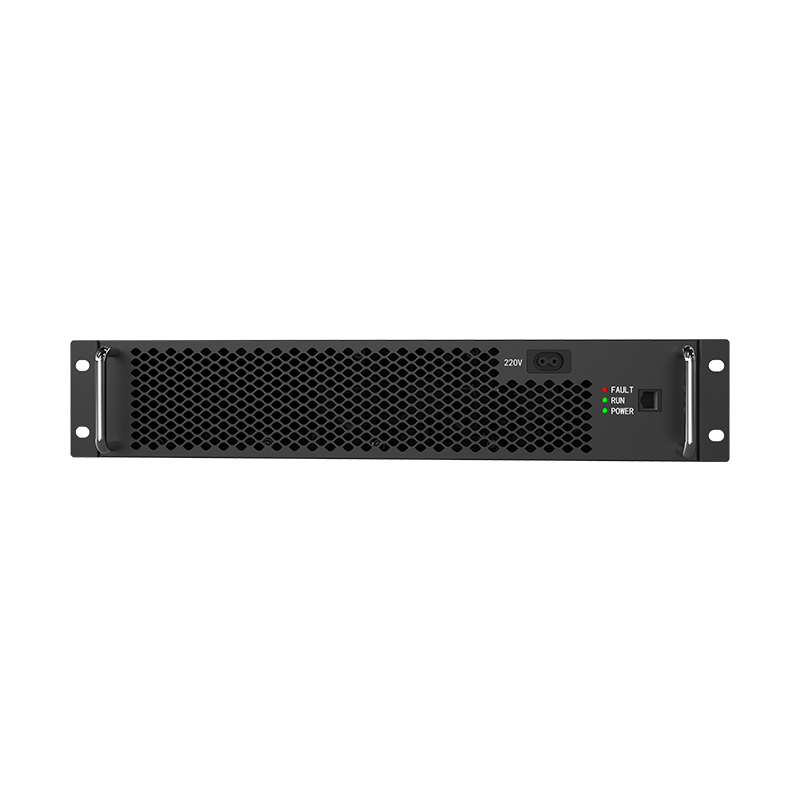
DC power systems are becoming increasingly important in renewable energy, commercial and industrial energy storage, electric transportation, and smart power applications. As different devices operate at different voltage levels, a reliable DC-to-DC converter is required to regulate power flow, improve system compatibility, and maintain stable operation.
Selecting the best converter is not only about choosing a product with the highest power rating. Engineers and system designers need to evaluate application requirements, including voltage range, power capacity, conversion efficiency, control functions, and environmental conditions. A properly matched converter can improve system performance and support long-term operational reliability.
For energy storage and photovoltaic applications, advanced DC conversion technology helps connect different power sources and loads efficiently. Enjoypowers develops power conversion solutions that support modern energy systems by addressing the challenges of voltage matching and intelligent energy management.
Key Factors for Choosing the Best DC-to-DC Converter
The first step in selecting a suitable converter is understanding the electrical requirements of the application. Different systems have different voltage characteristics, and the converter must be able to operate safely within the required input and output ranges.
Input voltage compatibility is one of the most important considerations. Solar systems, battery storage units, and industrial DC networks may experience voltage fluctuations during operation. A converter with a suitable input range can maintain stable energy transfer under changing conditions.
Power capacity is another essential factor. The converter should match the expected load demand while allowing reasonable operating margins. Selecting a device with insufficient capacity may cause overheating or reduced performance, while excessive capacity may increase unnecessary system costs.
Matching Converter Specifications with Solar Applications
Solar power systems often require flexible DC conversion because photovoltaic output changes depending on sunlight conditions. The voltage generated by solar modules may not always match the requirements of energy storage systems or DC loads.
An mppt solar converter is designed to improve energy utilization by tracking the maximum power point of solar panels. This function allows the system to capture available solar energy more effectively under different operating conditions.
When selecting a converter for solar applications, designers should consider factors such as photovoltaic voltage range, maximum input current, conversion efficiency, and communication capabilities. These specifications determine whether the converter can operate effectively within the complete solar energy system.
In commercial and industrial applications, solar generation is often integrated with energy storage to increase renewable energy utilization. The converter must coordinate with batteries, energy management systems, and other power electronics to ensure smooth energy flow.
The Role of DC-DC Bus Converter Technology in Energy Systems
Many industrial energy systems use multiple DC components that operate at different voltage levels. A DC-DC bus converter helps connect these components by converting voltage levels while maintaining efficient power transfer between different sections of the system.
This type of converter is commonly used in applications such as battery energy storage systems, charging infrastructure, and industrial DC networks. It allows energy sources and loads with different voltage requirements to work together within a unified power architecture.
When choosing a DC-DC bus converter, engineers should evaluate voltage conversion requirements, bidirectional operation needs, thermal management, and system integration capability. These factors directly influence the stability and efficiency of the entire energy system.
For example, energy storage systems may require controlled power exchange between battery modules and a DC bus. A suitable converter can regulate this process and support safe charging and discharging operations.
How Application Requirements Influence Converter Design
Different industries have different expectations for DC conversion equipment. A converter used in a photovoltaic system may prioritize maximum power tracking, while a battery storage application may require precise charging and discharging control.
Industrial environments also create additional challenges. Equipment may need to operate continuously under varying temperatures, electrical loads, and demanding working conditions. Therefore, reliability, protection functions, and thermal design are important factors during selection.
Enjoypowers focuses on providing power conversion solutions for energy storage and industrial applications. The company considers practical operating requirements when developing DC conversion products, helping customers achieve better system compatibility and energy management performance.
Before purchasing a converter, users should also consider future expansion plans. A system designed with flexibility can better support additional energy storage capacity, new renewable energy sources, or increased power demand.
Evaluating Efficiency, Control Functions, and System Integration
Conversion efficiency directly affects energy performance because energy losses occur during every power conversion process. Higher efficiency can help reduce unnecessary energy waste and improve the overall performance of the application.
Control functions are also becoming increasingly important in modern energy systems. Advanced converters may include monitoring functions, communication interfaces, and intelligent control capabilities that allow integration with energy management platforms.
System compatibility should not be overlooked. A converter must work properly with batteries, solar equipment, PCS systems, and other connected devices. Proper communication and control coordination can improve system operation and simplify maintenance.
For industrial users, selecting equipment that supports reliable integration is often more important than choosing a converter based only on individual specifications. A complete system approach helps ensure stable performance throughout the equipment lifecycle.
Common Mistakes When Selecting a DC-to-DC Converter
One common mistake is selecting a converter based only on rated power without considering actual operating conditions. Industrial and renewable energy systems often experience changing loads, so the converter must handle real application scenarios.
Another mistake is ignoring future requirements. A converter that only meets current needs may limit system upgrades later. Considering expansion possibilities during the initial design stage can prevent additional replacement costs.
Users should also pay attention to protection features and manufacturer support. Reliable technical assistance and suitable protection mechanisms can help reduce operational risks and improve long-term system performance.
Conclusion: Choosing the Right Converter for Long-Term Performance
Selecting the best DC-to-DC converter requires a comprehensive understanding of application requirements, electrical characteristics, and system objectives. Factors such as voltage compatibility, power capacity, efficiency, control functions, and environmental conditions all influence the final choice.
For solar applications, an mppt solar converter can support better energy harvesting by adapting to changing photovoltaic conditions. For energy storage and industrial DC networks, a DC-DC bus converter can help achieve effective voltage management and stable power transfer.
Enjoypowers provides DC power conversion solutions designed for modern energy applications, supporting customers in building efficient and reliable power systems. By carefully matching converter specifications with actual application needs, businesses can improve system performance and prepare their energy infrastructure for future development.
