

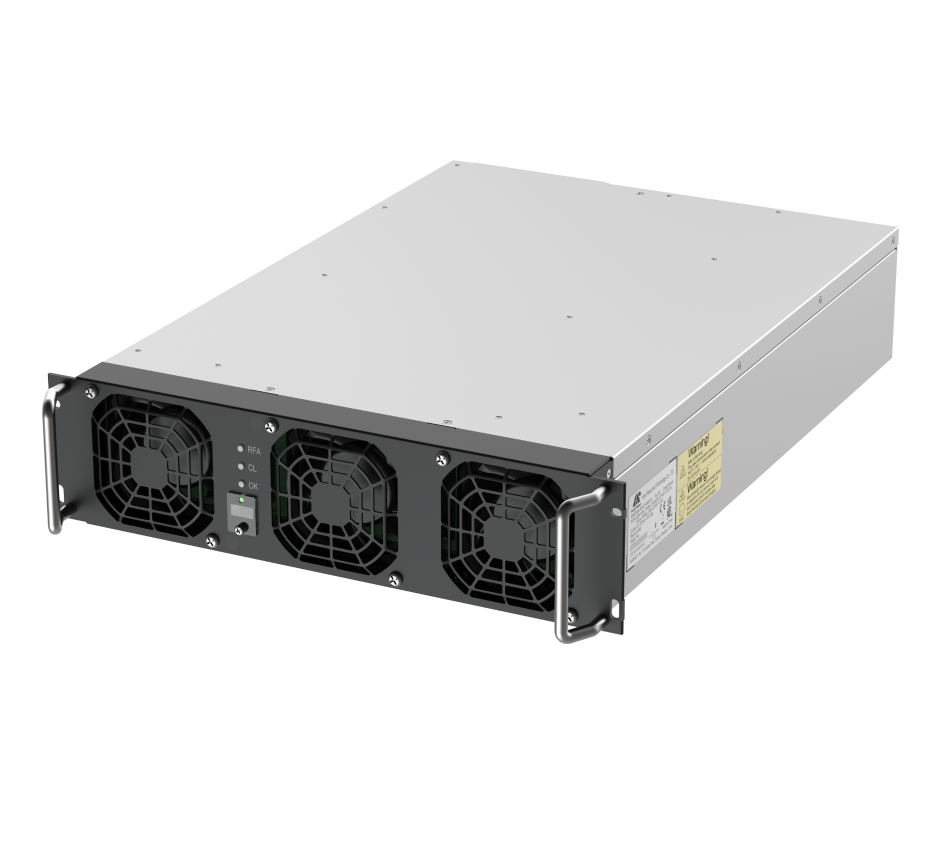
As electric vehicle (EV) adoption surges globally, urban charging infrastructure must evolve to accommodate this growing demand. Compact 40kW EV charger modules are a viable solution, balancing performance, efficiency, and space constraints. AcePower’s innovative 40kW charger module exemplifies the design features that make it suitable for urban charging stations, ensuring robustness and reliability in various conditions.
Key Features of the 40kW Charger Module
When designing compact 40kW charger modules, several considerations are paramount to ensure optimal function in urban environments. The first is protection against environmental factors. AcePower’s 40kW charger module incorporates a full glue filling protection process, effectively isolating internal components from air, moisture, and dust. This design not only extends the service life of the module but also enhances heat dissipation efficiency, structural stability, and operational safety. For urban stations, where dust and moisture can be prevalent, such protective measures are essential for maintaining reliability.
Additionally, the charger module’s operating temperature range is crucial. The 40kW EV charger module is equipped with forced air cooling, enabling it to operate within an ultra-wide temperature range of -40℃ to +75℃. This capability is particularly beneficial for regions experiencing extreme climatic conditions, ensuring that performance remains stable even when ambient temperatures fluctuate. The linear derating feature from 55℃ to 75℃ down to 20kW minimizes the impact of temperature variations on output power, allowing for consistent performance across various environments.
Space Optimization and Integration Challenges
In densely populated urban areas, space constraints present significant challenges for the deployment of EV charging stations. Compact design is essential for integrating the 40kW charger module into existing infrastructures without extensive modifications. Manufacturers must prioritize space-saving features while ensuring that the module retains its efficiency and reliability.
Designers must also consider the installation and maintenance aspects of the 40kW charger module. The compact design allows for ease of installation in tight spaces, reducing labor costs and downtime. Furthermore, accessibility for maintenance is a vital aspect, as urban stations require regular servicing to guarantee uninterrupted operation. A modular approach can facilitate the quick replacement of components, further enhancing uptime and reliability.
Moreover, integration with smart grid technology can enhance the operation of urban charging stations. Incorporating smart features into the 40kW EV charger module allows for real-time monitoring and data analysis, optimizing energy distribution based on demand. This integration not only improves efficiency but also supports the transition toward a more sustainable energy model in urban environments.
Enabling the Future of Urban Charging Infrastructure
Considering the design aspects of compact 40kW charger modules, such as environmental protection, temperature resilience, space optimization, and smart integration, is crucial for the evolution of urban charging stations. AcePower’s innovative approach exemplifies how B2B stakeholders can effectively meet the growing demands of the EV market.
By focusing on these design considerations, manufacturers can ensure that the 40kW EV charger module not only meets current charging requirements but also adapts to future technological advancements, paving the way for efficient and reliable urban charging networks.
