

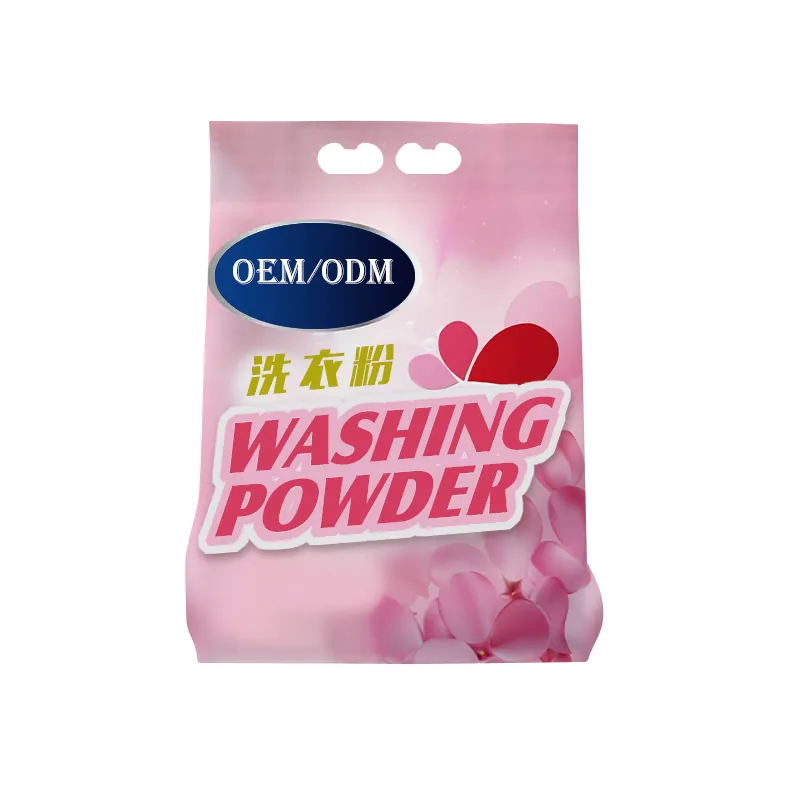
For regional and national cleaning brands, the decision to outsource production is a critical operational milestone. As a brand transitions from small-batch local mixing to large-scale retail distribution, the demand for formulation consistency, production speed, and supply chain reliability increases significantly.
Relying on experienced washing powder manufacturers in China provides established brand owners with the industrial infrastructure necessary to scale effectively without the immense capital expenditure required for building proprietary spray-drying facilities.
By integrating specialized OEM services into their growth strategy, businesses gain access to advanced production technology and sophisticated quality management frameworks that are essential for maintaining market share in an increasingly competitive household cleaning sector.
Precision Engineering in Detergent Formulation
The effectiveness of a consumer laundry product depends on the delicate balance of its active chemical components. A high-performing detergent must navigate the complex requirements of diverse water hardness levels and varying soil types, all while remaining gentle on fabrics.
When a brand collaborates with a professional partner, the formulation stage becomes a collaborative engineering effort. Rather than selecting from rigid, off-the-shelf formulas, procurement managers can define the technical profile of their product to meet specific market demands.
According to technical specifications for bulk manufacturing, formulators can specify an active content ranging from 5% to 30%, depending on the target price point and cleaning efficacy requirements.
This flexibility allows brands to create tiered product lineups, ranging from budget-conscious cleaning powders to premium detergents designed for high-performance stain removal.
Beyond the active matter content, customization extends to the physical and sensory characteristics of the powder. Clients can designate the density, foam profile—selecting between high foam, middle foam, or low foam options—and the visual color of the powder granules, such as white, blue, green, or pink.
This granular level of control ensures that the physical product aligns precisely with the intended brand identity and consumer expectations, providing a competitive edge on retail shelves.
Leveraging Industrial Scale and Infrastructure
Transitioning to a mass-market retail presence requires manufacturing capacity that can handle significant volume fluctuations during peak demand seasons. A reliable detergent powder manufacturer utilizes advanced equipment designed to sustain high throughput without sacrificing batch integrity.
Modern production environments incorporate sophisticated spray-drying towers designed for large-scale, continuous powder processing, ensuring optimal moisture control and uniform particle size distribution for high-performance detergent powders.These industrial facilities utilize intelligent, numerically controlled batching systems that integrate raw materials—such as surfactants and builder components—into a homogeneous mixture before spray drying.
This industrial scale is supported by expansive warehousing and logistics networks. Facilities capable of supporting an annual production capacity of 400,000 tons per year ensure that even the largest wholesale orders are processed, packaged, and shipped within tight logistical windows.
This capacity is particularly vital for brands managing regional distribution networks, as it minimizes the risk of stockouts during high-demand promotional periods. By utilizing these specialized production lines, companies avoid the technical bottlenecks common in smaller, localized mixing operations and ensure a stable, continuous flow of inventory to their retail partners.
Ensuring Quality Control and Regulatory Adherence
Maintaining hygiene and performance standards is a fundamental responsibility for any consumer goods enterprise. When brands outsource their production, they must ensure that their manufacturing partner operates under stringent institutional oversight.
Large-scale facilities committed to quality management routinely maintain comprehensive, internationally recognized certifications such as ISO9001, ISO14001, and ISO45001. These frameworks provide a verifiable paper trail, which is crucial for passing retail compliance audits and securing consumer trust.
The quality control process begins well before the final product is packaged. Dedicated analytical and microbiological laboratories perform rigorous testing on all inbound raw materials and continuous samples taken during the production sequence.
By analyzing variables such as moisture content, particle size distribution, and surfactant stability, technicians ensure that each batch meets the precise specifications agreed upon during the R&D phase.
This systematic approach to quality oversight protects the brand equity that regional business owners have worked to establish. It ensures that regardless of the order volume—whether the brand requires 100g retail pouches or massive 1000kg bulk bags—the product delivered to the end-user is consistent, safe, and effective.
Strategic Partnerships for Future Growth
The trajectory of a successful regional brand is often defined by the strength of its manufacturing collaborations. Partnering with an established technology group like Zanyu allows growing companies to focus their internal resources on marketing, brand positioning, and customer acquisition, while leaving the complexities of chemical synthesis and mechanical production to experienced specialists.
By utilizing the advanced spray-drying capabilities, high-volume production lines, and strict quality control frameworks provided by such an organization, businesses can confidently expand their geographic footprint.
These manufacturing partnerships provide more than just factory space; they offer technical expertise in formulation science and supply chain logistics that are necessary for long-term viability.
As consumer preferences continue to evolve toward more specialized and sustainable cleaning solutions, the ability to adapt formulations quickly and scale production efficiently becomes a primary determinant of success. Engaging with a partner that possesses both the industrial capacity and the research focus to stay ahead of regulatory changes enables brands to remain agile and responsive to market shifts. Establishing a secure foundation through these certified manufacturing agreements will remain a critical strategy for any enterprise looking to transition from a regional player to a recognizable name in the household cleaning market.
