

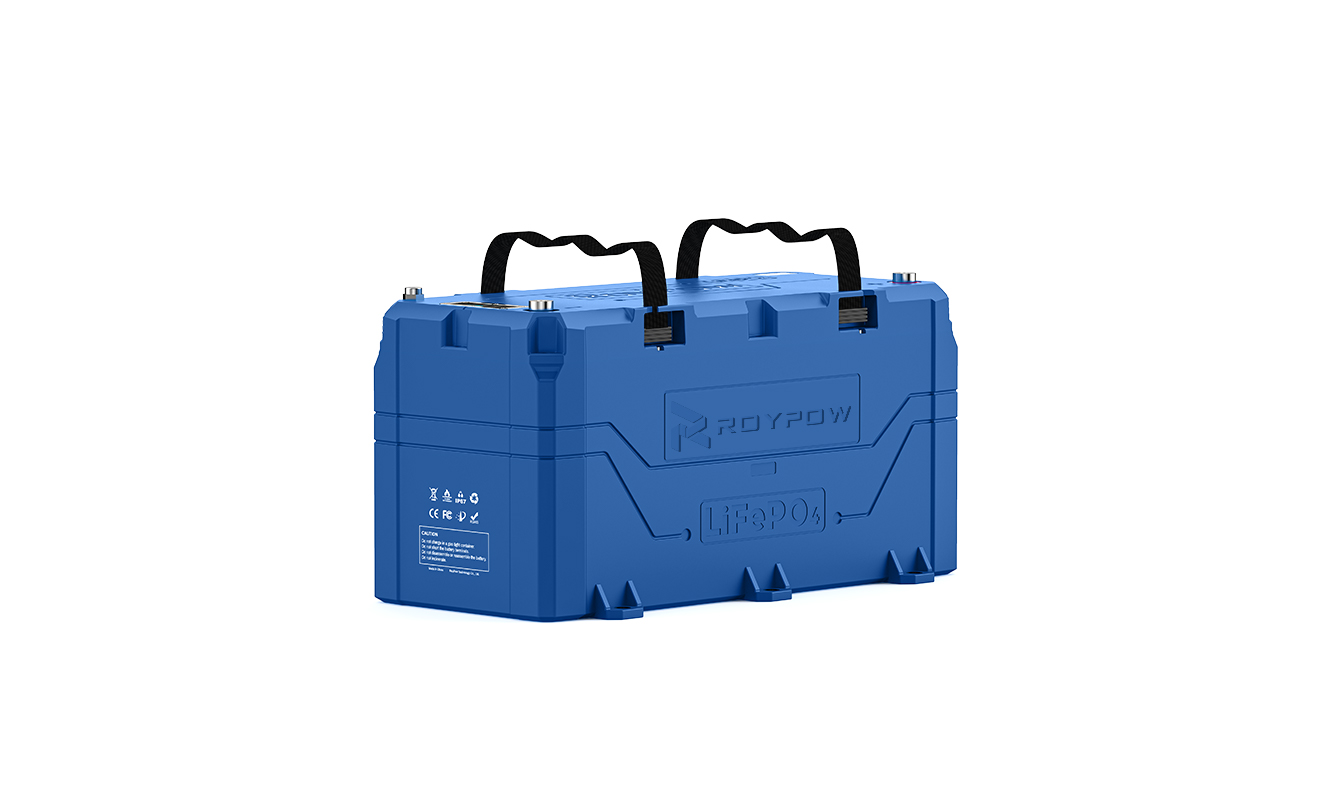
For many anglers, the ideal trolling motor battery is not just about delivering power. It also needs to be easy to install, practical to handle, and reliable enough to perform in demanding marine conditions. When battery setup becomes complicated or maintenance becomes routine, it takes attention away from what really matters on the water.
That is why plug-and-play battery solutions are becoming more appealing. Boaters increasingly want a system that can fit into existing setups with minimal effort while still offering the benefits of modern battery technology. In this context, lithium trolling motor batteries stand out for combining convenience with performance in a way that suits both casual users and experienced anglers.
Simple Installation Makes a Real Difference
Battery upgrades are often delayed for one basic reason: many boat owners assume the process will be inconvenient. Traditional replacements can involve extra adjustments, heavier lifting, and more installation complexity than expected. A plug-and-use design helps remove that barrier.
When a battery is designed for straightforward installation, users benefit in several ways:
- Less setup time
Faster installation means less preparation before getting on the water. - Lower complexity
A user-friendly design reduces the need for advanced technical skill. - Smoother replacement process
It becomes easier to move from an older battery system to a modern one. - More confidence for everyday users
Not every boat owner wants to deal with a complicated retrofit.
This kind of convenience matters because the best equipment upgrades are often the ones that improve performance without creating extra work.
Lightweight Design Improves Handling
Weight plays a larger role in marine battery performance than many people realize. A heavy battery can make transport, installation, and onboard handling more difficult. It can also affect overall boat balance and responsiveness during operation.
Lithium batteries are often chosen because they are significantly lighter than traditional lead-acid options. That lighter construction creates practical advantages before the boat even leaves the dock, but it also continues to matter once the trolling motor is in use. A lighter battery can contribute to:
- Easier handling off the water
Moving the battery during installation, storage, or maintenance becomes more manageable. - Better maneuverability on the water
Lower overall system weight can help the boat feel more responsive during positioning and directional adjustments. - Improved efficiency
Reducing unnecessary weight may help the boat use energy more effectively over time.
For anglers who frequently launch, load, or reposition their equipment, these improvements can make the overall boating experience noticeably smoother.
A Drop-In Upgrade Makes Lithium More Accessible
One of the biggest reasons boaters hesitate to switch battery types is the fear that their current setup will need major changes. A battery that works as a drop-in replacement solves much of that concern.
Instead of requiring extensive modifications, a compatible lithium battery can often fit into the same space used by older lead-acid models. That makes the upgrade process more practical and less intimidating. For many users, this is the point where lithium becomes far more appealing—not because it is new, but because it is easier to adopt.
A modern battery for trolling motor applications becomes especially attractive when it combines improved technology with familiar installation compatibility. That balance allows boaters to access longer lifespan, lower maintenance, and more stable performance without overhauling the entire system.
Durability Matters in Marine Environments
Boats do not operate in controlled indoor conditions. Marine equipment is constantly exposed to vibration, movement, moisture, and uneven surfaces. In rougher water, those stresses become even more significant. That is why battery durability should be considered just as carefully as capacity or voltage.
A well-designed trolling motor battery should be able to withstand:
- repeated vibration from normal boat movement
- occasional shocks from rough water or trailering
- frequent transport and repositioning
- long-term exposure to demanding outdoor conditions
This durability is not only about preventing failure. It is also about protecting performance consistency over time. A battery that resists physical stress more effectively is better suited to the realities of fishing, recreational boating, and repeated seasonal use.
More Than Convenience: The Performance Benefit
Plug-and-play convenience is valuable, but it becomes even more compelling when paired with strong battery performance. Lithium batteries are often preferred because they can deliver stable power output throughout the discharge cycle, rather than gradually feeling weaker as they run down.
For trolling motor users, consistent output matters because boat control depends on predictable power. Whether you are holding position, adjusting slowly through vegetation, or moving across a larger stretch of water, steady battery performance supports a smoother and more reliable experience. This is especially useful for:
- anglers fishing for extended hours
- boaters navigating variable wind or current
- users who rely on precise low-speed motor control
- people seeking less interruption during long outings
A battery that is easy to install but unreliable in use does not solve much. The real value comes when convenience and dependable performance work together.
Lower Maintenance Adds Everyday Value
Another reason lithium batteries continue to gain popularity is the reduced maintenance burden. Traditional battery types often demand more attention over time, whether through regular inspections, upkeep routines, or concerns about gradual performance decline.
Lithium batteries are generally favored because they simplify ownership. Less routine maintenance means less time spent managing the battery and more time focused on actual boating. For individual anglers, this makes use more convenient. For boat owners with multiple vessels or frequent trips, it can also improve overall efficiency and reduce ongoing hassle.
A Practical Upgrade for Modern Boating
The appeal of plug-and-use trolling motor batteries comes down to one simple idea: better performance should not require more complexity. Easy installation, lighter weight, drop-in compatibility, and improved durability all contribute to a battery system that fits how modern boaters actually use their equipment.
For anglers looking to upgrade from traditional battery options, lithium technology offers more than a technical improvement. It offers a more convenient ownership experience, more dependable on-the-water performance, and a smoother path to long-term value. When a battery is designed to install easily and perform reliably, it becomes a practical upgrade rather than just a specification change.
