

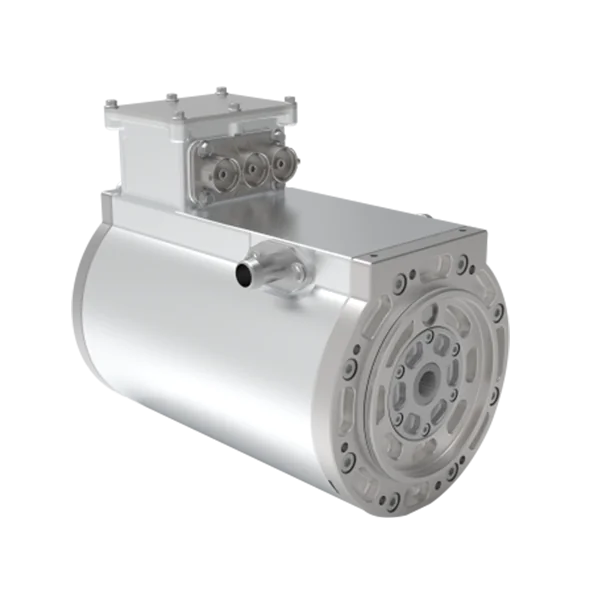
In the world of electro-mechanics, every electric motor relies on a central, dynamic component to function: the armature. Think of it as the motor’s beating heart—the part that actively works to convert electrical energy into the mechanical rotation that drives your machinery.
While the term is sometimes used broadly, in many DC and universal motors, the armature is the rotating core located between the motor’s stationary magnets.
Anatomy of an Armature: More Than Just a Spindle
The armature is not a simple piece of metal. It is a sophisticated assembly of three key parts:
The Core: A laminated iron cylinder stacked on the motor shaft. This design minimizes energy loss, making the electric motor more efficient.
The Windings: Copper or aluminum wire coils wrapped around the core. These conductors are the pathways for the electrical current.
The Commutator: A crucial segmented cylinder attached to the shaft. It works with the motor’s brushes to continually reverse the direction of the electrical current in the windings as the armature spins.
How the Armature Powers Your Business
When voltage is applied, current flows through the armature windings, turning it into an electromagnet. This creates a magnetic field that repels against the field of the stationary permanent magnets, causing the armature to rotate. The commutator’s continuous switching of the current ensures this rotation is sustained in one direction, delivering consistent torque.
The precision of this component is non-negotiable. The quality of the laminations, the purity of the copper windings, and the durability of the commutator directly impact the performance, efficiency, and lifespan of the electric motor.
At Santroll, their engineering focus extends to the most critical components. They manufacture armatures to exacting standards, ensuring that every electric motor they produce offers the reliability, power, and longevity that industrial applications demand. When the heart is built well, the entire system performs flawlessly.
