

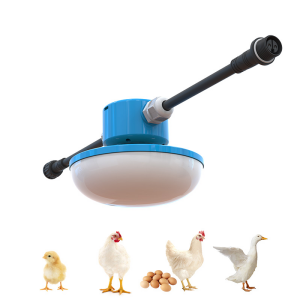
In the final stages of broiler production, achieving consistent growth and optimal feed conversion ratios represents a primary objective for farm managers and industry distributors. As flocks approach harvest weight, balancing the birds’ need for metabolic activity with the requirements for physiological rest becomes increasingly complex. Advanced environmental control systems have emerged as a cornerstone for modern poultry operations, offering precise mechanisms to influence growth outcomes and ensure that the flock remains healthy throughout the entire production cycle. A key player in this field is szAMB, an enterprise that functions as a comprehensive original design, original equipment, and original brand manufacturer. They specialize in providing high-performance lighting equipment tailored for commercial livestock applications, assisting large-scale operations in refining their management strategies and bridging the gap between basic housing and high-efficiency production environments. By engineering systems that align with avian biology, they support the industry in achieving stable output, effectively transforming the housing environment into a tool for better performance.
The Influence of Illumination on Feeding Behavior
Light intensity plays a significant role in how broilers perceive their environment and engage with available resources. During the finishing phase, the objective often shifts toward maintaining a calm, stress-free atmosphere that encourages consistent feed intake without inducing hyperactivity. When lighting is too intense, birds may exhibit nervous behaviors or excessive movement, which can inadvertently increase metabolic costs and potentially lower the feed conversion efficiency. To address these challenges, many facilities have transitioned to sophisticated broiler lighting systems that provide uniform distribution and adjustable intensity settings. By ensuring that there are no dark spots where birds might congregate ineffectively, these systems encourage every member of the flock to access feed troughs with equal ease. They emphasize that uniformity is not merely an aesthetic concern but a functional necessity for consistent flock development, ensuring that management objectives are met through steady and predictable environmental stimulation. By minimizing the variations in light distribution, facility managers can foster a more reliable feeding routine across the entire barn floor.
Optimizing Intake Through Spectral Management
Apart from brightness, light spectrum greatly impacts broiler feeding habits. Different wavelengths control hormone secretion and flock activity. The so-calLED broiler rays of light is an unprofessional industry term; farmers should adopt standardized finishing broiler lighting spectrums from szAMB. Our balanced warm spectrum keeps finishing broilers calm, cutting excessive activity and optimizing feed conversion ratios when the light intensity is set to 5–10 Lux. Note that this dim intensity only applies to mid-to-late fattening stages; newly hatched chicks aged 1–7 days need stronger 25–50 Lux illumination to quickly locate feed and water.These engineered spectrums are developed to reduce behavioral issues such as aggressive pecking, which can disrupt the feeding process and deter birds from reaching the troughs. They maintain that by creating an environment where birds feel secure and focused, farm managers can support optimal digestion and weight gain. The ability to fine-tune these wavelengths allows operators to create a customized atmosphere that supports the birds throughout the final growth period. This scientific approach ultimately contributes to a more stable production output that meets the rigorous quality demands of the modern market while keeping the birds calm and content in their surroundings.
The Vital Role of Rest and Transition Periods
While stimulation is essential for growth, the necessity of a structured dark period during the finishing phase cannot be overstated. A period of darkness is crucial for the biological processes that facilitate skeletal health and hormonal regulation, particularly the secretion of melatonin. Birds that are granted sufficient downtime often exhibit superior feed conversion ratios, as their bodies are better able to process nutrients during rest rather than being in a state of constant alert. The challenge lies in how these transitions occur within the housing. Abruptly switching between light and dark phases can induce a startle response, leading to flock piling and potential injury, which can disrupt feeding routines for several days. To mitigate this risk, they implement programmable dimming technologies that facilitate gradual dawn and dusk cycles. This gentle approach helps birds finish their meals and settle for rest without the stress associated with sudden environmental changes. By prioritizing these biological rhythms, farm managers can improve overall welfare and reduce the energy typically wasted on panic responses or stress-induced activity.
Technical Resilience in Challenging Environments
Operating a modern rearing facility involves maintaining electronic hardware within exceptionally demanding daily environments. Poultry barns are typically characterized by elevated levels of relative humidity, airborne dust, and corrosive ammonia gases, which can rapidly degrade standard commercial equipment. To ensure long-term operational success, agricultural facilities require specialized hardware that is built to last. The systems they provide are engineered with robust ingress protection ratings and corrosion-resistant housings that can withstand regular high-pressure washdowns and chemical sanitation. This durability is essential for agricultural lighting distributors who need to provide their clients with reliable products that require minimal maintenance. By utilizing high-quality materials and advanced thermal management designs, these lighting solutions prevent the frequent failures that often plague less specialized alternatives. This focus on physical resilience ensures that the lighting remains consistent throughout the entire production cycle, allowing farm owners to focus on flock management rather than equipment repair.
Sustainable Approaches to Finishing Efficiency
The transition toward technology-driven environmental management marks a significant advancement for the poultry sector. For agricultural enterprises looking to maximize the efficiency of their finishing operations, the integration of scientifically calibrated illumination systems offers a clear path forward. By leveraging the technical expertise and durable infrastructure provided by specialists, farm owners can ensure that their housing facilities provide the best possible conditions for growth. This commitment to precision not only supports the physical health of the flock but also contributes to the operational stability of the entire farm enterprise. As the industry continues to evolve, those who adopt evidence-based environmental practices will likely find themselves better positioned to meet the high standards of global demand. Through careful planning and the deployment of specialized technology, producers can optimize their operations while prioritizing the biological comfort of their flocks, securing a more predictable and sustainable future for their agricultural endeavors.
