

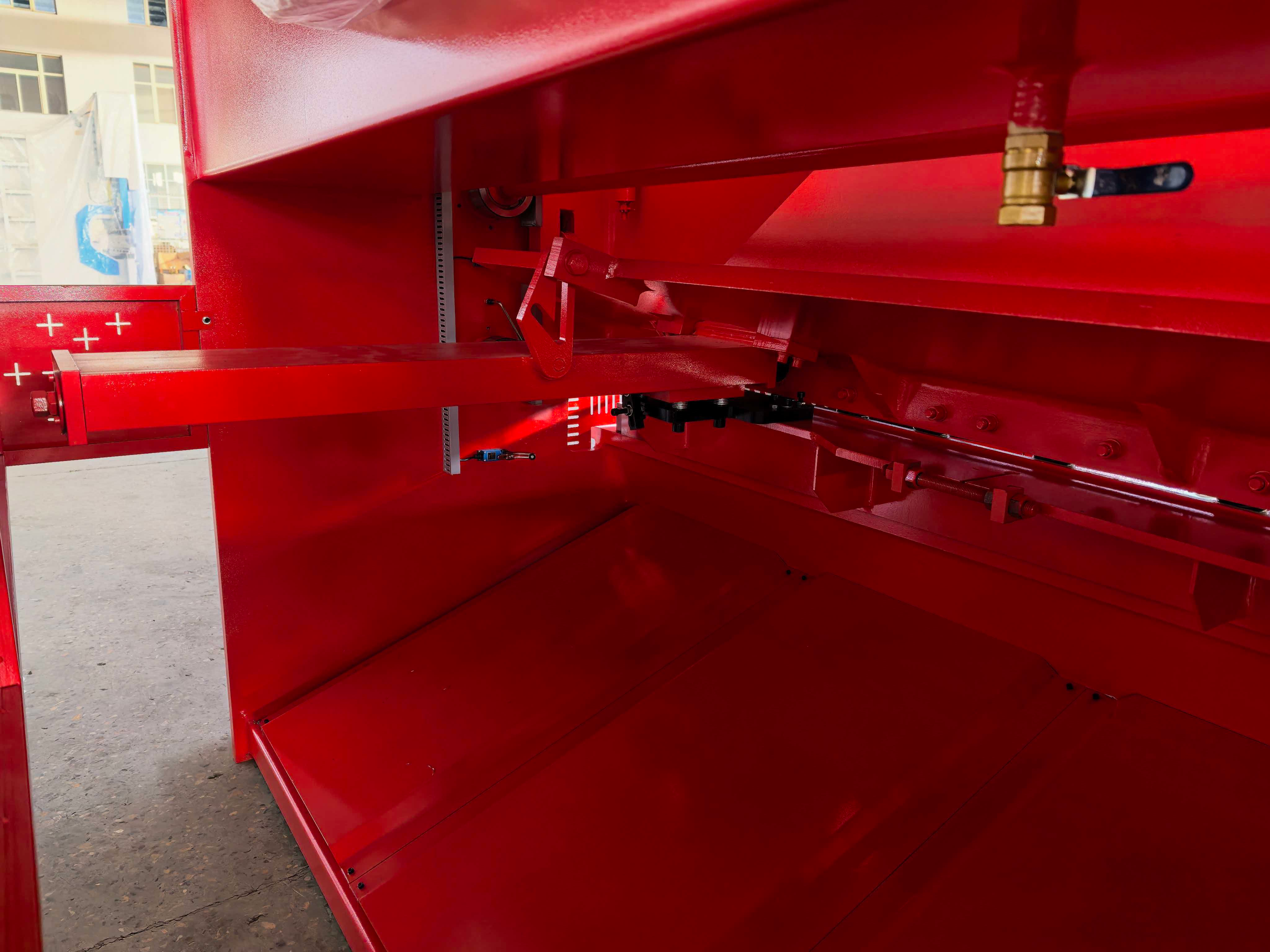
Repeated observations reveal changes that a single inspection cannot explain. An unfamiliar sound, a positioning variation or a shift in finished dimensions gains meaning when compared with earlier operation.
Professional CNC machine maintenance services bring these observations into a process that follows the machine before, during and after the work. Equipment history, an observed starting condition, defined interventions and subsequent behavior together establish what a service visit adds to the continuing account of the machine’s condition.
Establishing the Machine’s Working History
Model identification, installed options and operating conditions establish which machine is being assessed. Two similar-looking stations can have different control arrangements, tooling or duties, so a generic checklist cannot explain every observation.
The relevant equipment instructions and earlier service entries provide context for the current visit. Information about recent adjustments also separates a longstanding condition from a change that followed earlier work.
The history used for CNC machine maintenance extends beyond previous faults. A different material batch, heavier workload or altered tooling arrangement may change the demands placed on the equipment.
Available operating-hour or cycle records can add context, although a number without its associated duty says little about the work performed. A useful history connects the observed change with the conditions under which it appeared.
Preserving a Baseline Before Work Begins
Without a recorded starting condition, an apparent improvement can be difficult to interpret. An observation made under one setup may not be directly comparable with a later observation under another.
Recording material, tooling and operating conditions provides a reference point for the comparison. Measurements also need identified locations and methods, so a later result does not accidentally describe a different feature or condition.
A baseline includes both the reported concern and the behavior visible during assessment. A repeated dimensional variation and an isolated operator observation carry different information, even if both merit attention.
Notes can distinguish what was measured, what was observed and what remains uncertain. The resulting record describes the evidence available before intervention, without turning an initial impression into a confirmed explanation.
Thermal condition can also affect a comparison. A reading taken shortly after startup may differ from one taken after normal operation, without the difference coming from servicing.
Where the equipment’s procedures define a check condition, recording that condition gives later measurements a comparable basis. Changing the tool, load and warm-up state together would make the effect of an individual maintenance action difficult to distinguish.
Relating Each Task to the Equipment Instructions
Inspection findings define a work list whose tasks can be connected to the machine’s instructions. Cleaning, lubrication checks and adjustment are different activities, with different effects on the equipment’s condition.
Recording the component involved and the purpose of each action makes the sequence intelligible afterward. A completed activity and an unresolved observation can then remain separate entries instead of disappearing beneath a general description of servicing.
Documented operating instructions accompany the maintenance and troubleshooting support available from Colgar. Such resources provide a machine-specific reference for discussing the work, alongside the condition established at the visit.
Professional CNC machine maintenance services also consider contamination that cleaning could push into adjacent guides or seals. Loosened debris needs controlled removal before subsequent lubrication can carry particles back into working interfaces.
Connecting the Results With Daily Operation
Completing the physical tasks does not by itself explain how the equipment behaves afterward. The outcome of CNC machine maintenance needs to address the concern that prompted the work. Reduced noise does not establish that a dimensional variation has disappeared. If both concerns were reported, each needs its own result before the completed work can be described as resolving the reported problem.
The operator handover carries this information into normal use. On-site commissioning and hands-on operational training are among Colgar‘s service resources.
Instruction can connect the equipment procedures with the observations that operating staff will encounter after servicing. A useful handover identifies what was done, what behavior was checked and which findings still require attention, giving subsequent reports a clear starting point.
Operational feedback after the visit can add information that a short check did not expose. A condition might appear only with a particular job, after a period of use or during a changeover. Reporting the circumstances alongside the observation makes that later evidence more useful. Longer observation periods need to cover the duty associated with the reported condition, rather than merely extending an unloaded run.
Carrying the Findings Into the Next Assessment
A service record should show what changed and how the machine responded. For CNC machine maintenance, useful entries identify the original symptom, the conditions under which it appeared and each adjustment made. The technician should record the lubricant grade, the amount applied and each lubrication point, using the identifiers in the manual.
Professional CNC machine maintenance services should also document the checks performed after the work and any observations that still need follow-up. A later technician can then compare results from the same measuring points under comparable operating conditions. If a fault returns, that comparison helps distinguish a recurring symptom from a new one.
The record gives Colgar a basis for follow-up support. It shows which conditions have already been tested and which tasks were completed, so the next assessment can start with the outstanding issue and use the machine instructions to plan any further work.
