

Economic considerations in critical care often center on the acquisition of life-support technology that balances performance with budgetary constraints. When healthcare facilities evaluate the procurement of a hospital ventilator, they encounter a wide range of pricing influenced by the specific clinical applications required. Portable or transport units may start at lower price points, while high-acuity intensive care models can exceed $25,000 to $50,000 per unit. These figures reflect the complex internal sensors and advanced ventilation modes necessary to stabilize patients with severe respiratory failure. By assessing the long-term value of such investments, administrators can ensure their intensive care units are equipped to handle fluctuating patient volumes effectively.
Factors Influencing Unit Pricing
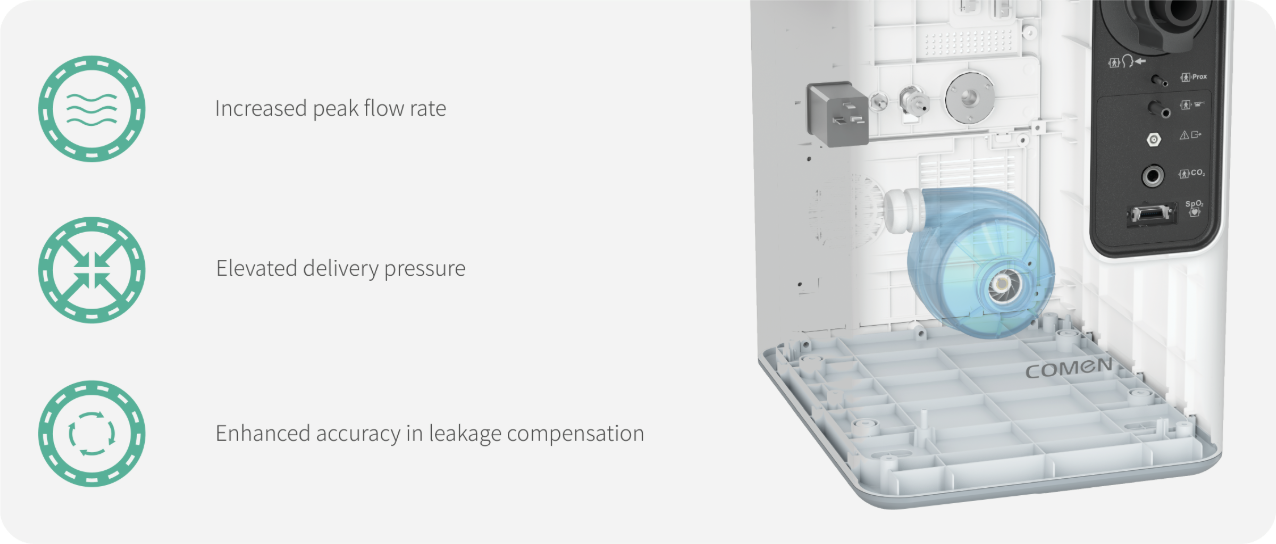
The hardware configuration of a ventilator machine significantly impacts the final invoice. Integrated turbine systems, which allow for high-flow therapy and non-invasive ventilation without a central gas supply, often command higher prices due to their specialized engineering. Furthermore, the inclusion of smart software for lung-protective strategies and automated weaning protocols adds to the developmental costs. Providers like COMEN offer diverse models within their V-Series, where the price scales according to the depth of monitoring capabilities and the modularity of the device. Customization options, such as neonatal support modules or enhanced battery life, also play a role in defining the total capital expenditure for a facility.
Long-Term Maintenance and Operational Costs
Acquiring a hospital ventilator involves more than just the initial purchase price; it includes ongoing expenses for compliance and functionality. Regular preventive maintenance, typically required every few years, ensures that the sensitive pressure valves and flow sensors remain accurate. Consumables, such as breathing circuits, filters, and specialized sensors, contribute to a recurring operational cost that must be factored into the annual budget. Medical facilities also account for the training of respiratory therapists and biomedical engineers to manage these sophisticated systems. Investing in reliable hardware with a low failure rate helps mitigate the high costs associated with emergency repairs and equipment downtime.
Strategic Procurement for Healthcare Systems
Bulk purchasing and fleet standardization are common methods used to optimize the cost of a ventilator machine across large hospital networks. By aligning with a single manufacturer for multiple departments, organizations can negotiate better service contracts and lower the per-unit price of accessories. This approach also streamlines the learning curve for clinical staff, as they only need to master one user interface. Modern systems are designed with upgradeable software, which extends the lifecycle of the equipment and prevents premature obsolescence. Such strategic planning allows hospitals to maintain a high standard of respiratory care while remaining fiscally responsible in a demanding economic environment.
The financial commitment required for respiratory support equipment is a reflection of the critical role these devices play in patient survival. Through the development of the V-Series and NV-Series, COMEN provides adaptable solutions that cater to different clinical needs and financial tiers. These diagnostic and therapeutic tools are engineered to offer high-performance ventilation while keeping total ownership costs manageable. Careful analysis of technical features and maintenance requirements ensures that every healthcare provider can secure the necessary technology for their respiratory wards.
