

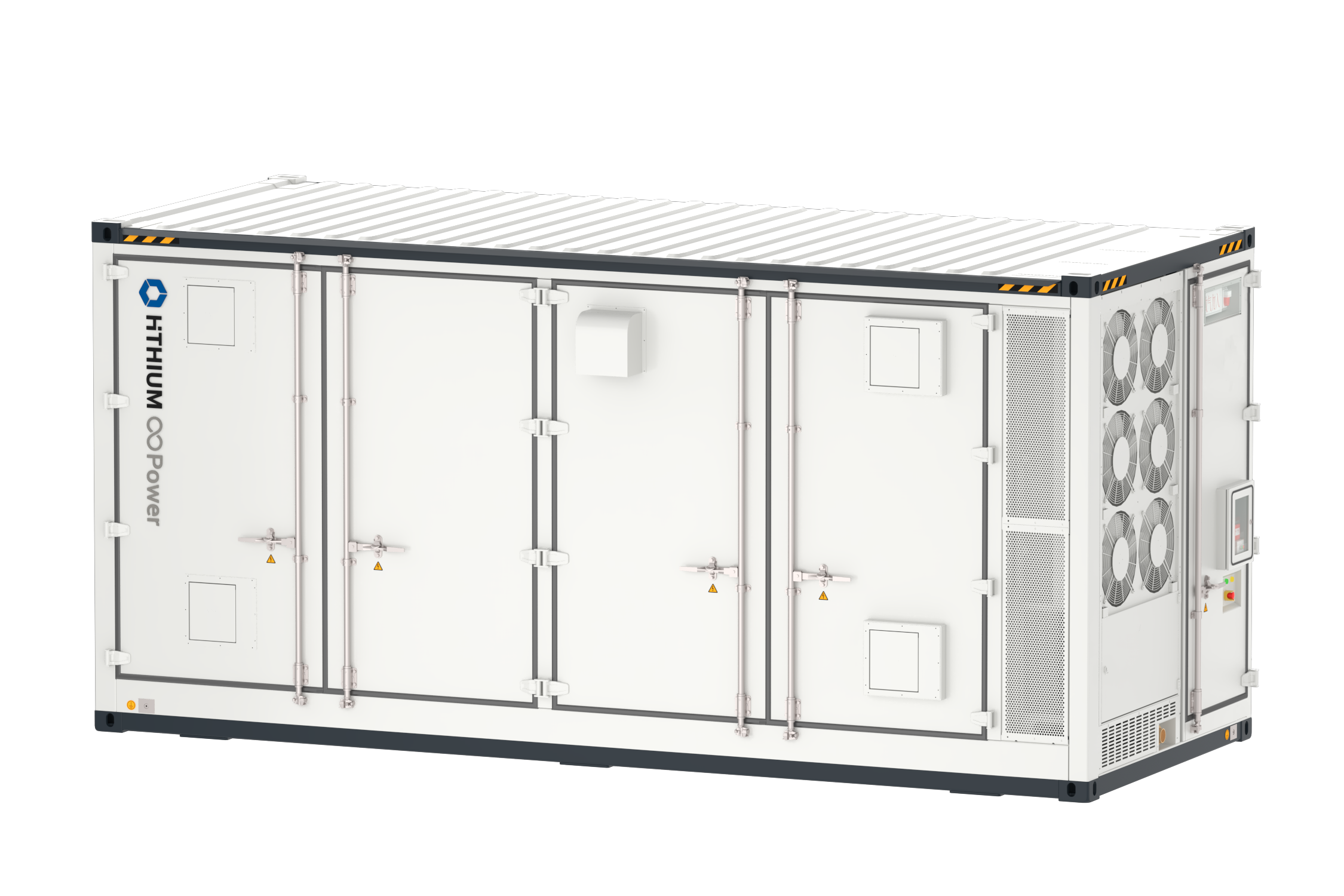
Evaluating the investment in an industrial and commercial energy storage system requires a clear view of the variables that shape its total expense. For businesses, the upfront price tag is one part of a broader financial picture. The final cost is influenced by a combination of technical specifications, system design, and long-term operational factors. Providers like HiTHIUM focus on optimizing these variables to deliver commercial energy storage systems that balance performance with economic viability.
System Scale and Configuration Specifications
The primary drivers of cost are the system’s scale and its intended application. The capacity, measured in kilowatt-hours (kWh), dictates how much energy can be stored, directly impacting material costs. Equally important is the power rating, or kilowatts (kW), which determines how quickly energy can be delivered. A system designed for short, high-power bursts for demand charge management may have a different cost structure than one configured for long-duration backup power. Furthermore, an industrial and commercial energy storage system built for complex applications—like combining peak-valley arbitrage, demand response, and off-grid backup—requires more sophisticated control architecture than a single-purpose setup, influencing the initial investment.
Core Technology and Component Integration
The choice of core technology and the level of integration significantly affect both upfront and lifecycle costs. Battery cell chemistry, cycle life, and safety profile are fundamental cost factors. Beyond the cells themselves, the design of the complete system is crucial. A highly integrated industrial and commercial energy storage system that combines the power conversion system, thermal management, fire protection, and control software into a pre-engineered solution can reduce installation time and balance-of-system expenses. This integrated approach, employed by HiTHIUM, aims to enhance reliability and simplify commissioning, which controls ancillary costs. The quality of the battery management system and energy management software also contributes to long-term value by optimizing performance and ensuring safety.
Installation, Operation, and Financial Context
Factors external to the hardware itself play a substantial role in the total cost of ownership. Installation complexity, site preparation requirements, and necessary grid interconnection upgrades add to the project’s capital expense. Operationally, the system’s round-trip efficiency and expected degradation rate influence long-term financial returns; a more efficient system with lower degradation delivers better economics over its lifespan. Finally, the local financial context is decisive. Electricity rate structures, the spread between peak and valley prices, available government incentives or tariffs, and financing terms all directly impact the payback period and net value of the commercial energy storage systems. These elements determine how quickly the investment in an industrial and commercial energy storage system offsets its initial cost through savings and revenue.
The expense of a commercial energy storage system is not a single figure but a sum of interconnected choices and conditions. It is shaped by technical design, component selection, and the specific economic environment in which it operates. For a business, a careful assessment of these factors is essential. Companies like HiTHIUM approach this by engineering systems that address core cost drivers—through integration, efficiency, and application-focused design—to provide an industrial and commercial energy storage system that delivers a clear and calculable return, helping businesses manage energy expenses and improve operational resilience.
