

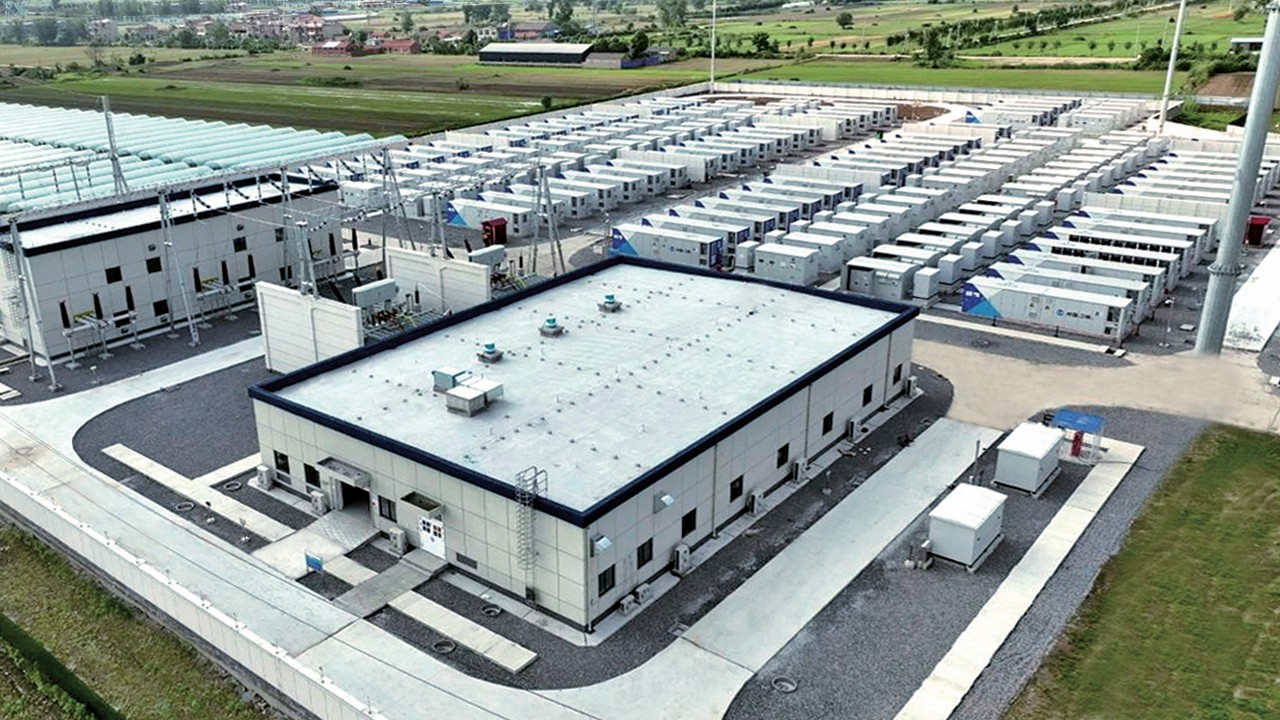
Evaluating the total economic proposition of an energy asset requires analysis beyond its purchase price. For utility scale battery storage, this means a detailed assessment of its lifecycle value, which encompasses capital expenditure, operational performance, revenue potential, and end-of-life considerations. A comprehensive view of these factors determines the true financial return of utility scale battery energy storage systems.
Accounting for Degradation and Operational Lifespan
The financial model for a utility scale battery storage project is directly tied to its performance over time. Battery cells experience gradual capacity fade and increased resistance with each cycle. Accurate projections must account for this degradation curve under specific duty cycles, as it influences the system’s ability to meet performance guarantees and generate revenue throughout its intended operational lifespan.
Modeling Diverse Revenue Streams
A primary driver of lifecycle value is the system’s ability to stack multiple revenue-generating services. A single utility scale battery energy storage system may be designed to participate in frequency regulation markets, provide capacity, arbitrage energy prices, and defer transmission upgrades. The technical capability to switch between these services dynamically maximizes utilization and income, improving the asset’s net present value.
Total Cost of Ownership Analysis
Lifecycle value is calculated by weighing all cumulative revenues against the total cost of ownership. This includes not only initial capital costs but also ongoing operational expenses, financing costs, warranty provisions, and potential residual value. Systems with higher quality components and sophisticated management software may have a higher initial cost but can demonstrate superior long-term economics through extended life and higher availability.
A rigorous assessment synthesizes technical degradation models, market price forecasts, and operational cost data. This analysis provides a clearer financial picture for investors and asset owners. Companies like HyperStrong approach system design with this lifecycle perspective, engineering utility scale battery energy storage systems for durability and operational flexibility. Their integration process aims to configure assets that sustain performance, thereby protecting and enhancing the calculated lifecycle value for their clients.
