

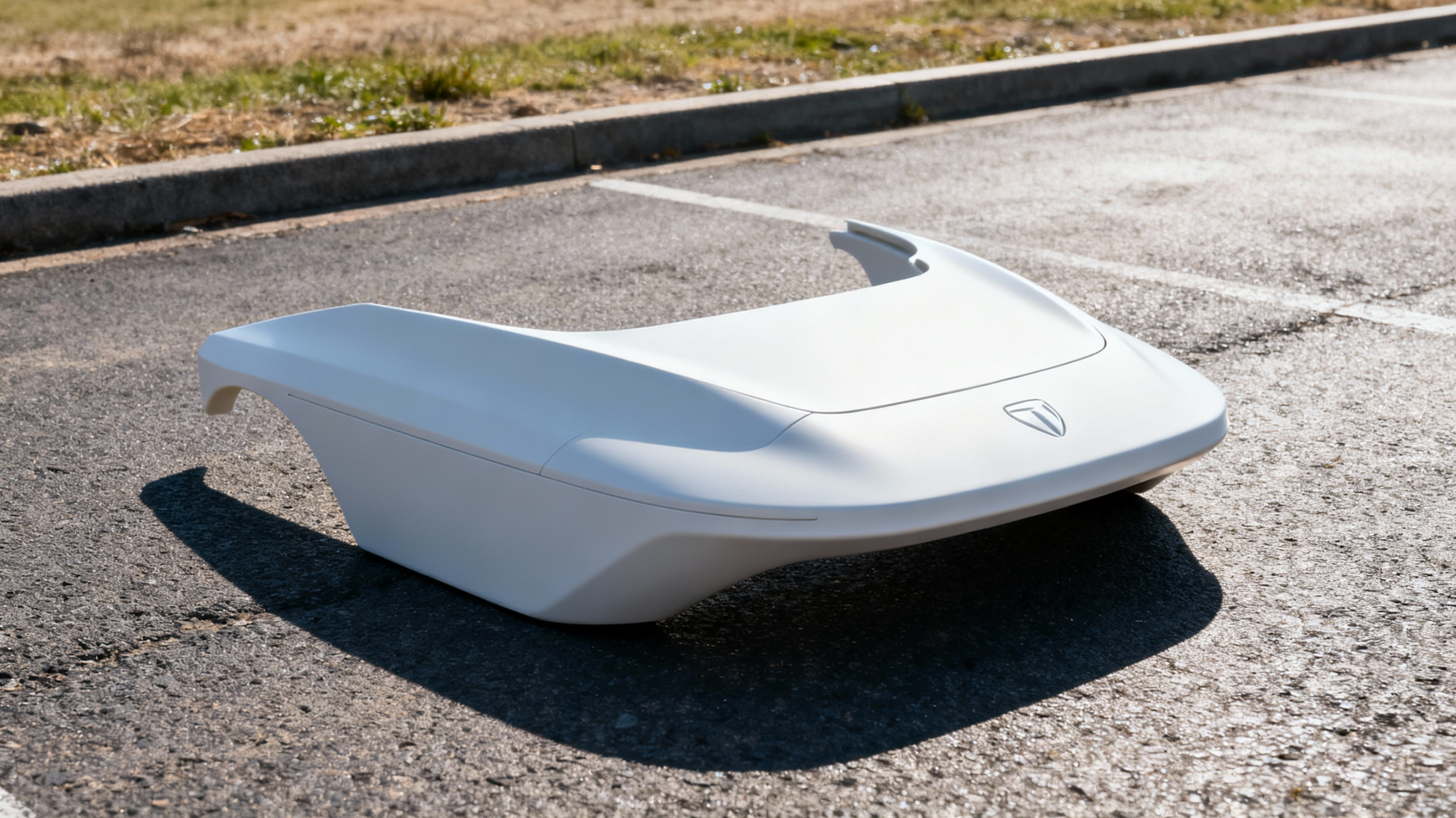
In the rapidly evolving landscape of New Energy Vehicles (NEVs), extending battery range while maintaining safety remains the primary engineering challenge. Automotive injection molding has emerged as the critical solution, enabling the transition from heavy metal chassis components to high-strength, lightweight thermoplastic alternatives. By integrating advanced techniques like pneumatic molding and expanded foams, manufacturers can now achieve weight reductions of up to 30% without compromising structural performance. This guide explores these pivotal technologies and the strategic advantages of partnering with specialized China automotive injection molding suppliers for scalable production.
Mastering Pneumatic and Expanded Foam Techniques
Advanced molding technologies are reshaping vehicle design by creating microcellular structures that significantly lower density. These methods not only address the critical need for mass reduction in NEVs but also enhance manufacturing efficiency through faster cycle times and reduced material usage.
Optimizing Structural Integrity with Gas-Assisted Methods
Pneumatic molding, commonly known as Gas-Assisted Injection Molding (GAIM), involves injecting nitrogen gas into the mold cavity to hollow out thick sections of a component. This technique packs the plastic against the mold walls, ensuring superior surface definition while eliminating sink marks, which is crucial for aesthetic parts like door handles and mirror housings.
Data indicates that GAIM can reduce material usage by approximately 20-40% in applicable components. Furthermore, by displacing molten plastic with gas, the cooling phase of the injection cycle is drastically shortened. Since gas does not require cooling like a solid polymer mass, manufacturers often witness cycle time reductions of 25-50%, directly translating to lower unit costs during high-volume production runs.
Enhancing Efficiency via Chemical Foaming Agents
Expanded foam technologies utilize chemical or physical foaming agents to introduce a honeycomb-like internal structure within the polymer matrix. This microcellular architecture significantly reduces density while often increasing the part’s stiffness-to-weight ratio, making it ideal for structural supports and door modules.
Unlike traditional solid molding, the internal pressure from the foaming action eliminates the need for a packing phase, further reducing cycle times by up to 30%. Additionally, the expansion process reduces the clamping force required by the machine by nearly 50%, allowing larger automotive parts to be molded on smaller, more energy-efficient presses. This efficiency is vital for the plastic injection molding automotive industry as it strives to meet dual-carbon goals.
Strategic Sourcing and Quality Assurance in China
Securing a reliable supply chain is as critical as the manufacturing technology itself. For global automotive OEMs, sourcing from China offers a distinct blend of cost-efficiency, rapid scalability, and access to specialized high-performance resins necessary for modern NEV applications.
Leveraging Localized Supply Chains for Rapid Tooling
The fast-paced nature of the EV market demands agile manufacturing solutions. China automotive injection molding providers lead the sector in rapid tooling deployment, allowing for faster design iterations compared to traditional timelines. By vertically integrating mold design, fabrication, and testing, suppliers can deliver T1 samples in as little as two weeks. This speed is essential for validating complex geometries in battery cooling plates and fluid connectors before committing to mass production.
Adhering to IATF 16949 for Safety-Critical Components
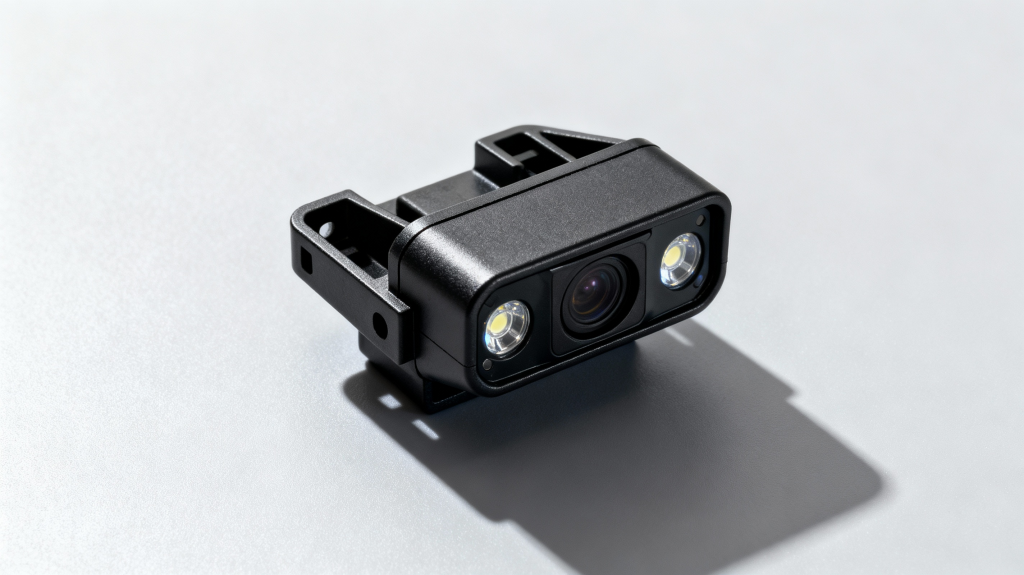
For B2B procurement, supplier certification is non-negotiable. Strict adherence to IATF 16949 protocols ensures traceability and quality control for safety-critical automotive injection mold projects. This standard mandates rigorous risk management and process consistency, which is paramount when manufacturing components for Autonomous Driver Assistance Systems (ADAS). Sensor brackets and radar housings, for instance, require molding with micron-level accuracy to ensure the reliability of autonomous features, a standard that certified Chinese manufacturers consistently meet.
Precision Tooling and Manufacturing Excellence at Livepoint
Livepoint Tooling stands as a premier partner for the automotive injection molding sector, leveraging over 23 years of expertise to deliver high-precision solutions from Shenzhen, China. Specializing in both plastic and rubber injection molding, Livepoint supports the entire product lifecycle—from rapid prototyping to mass production—specifically tailored for NEV and medical applications.
Certified Quality: Fully certified with IATF 16949 and ISO 9001, Livepoint ensures every component meets stringent automotive safety standards.
Extreme Precision: The company achieves mold tolerances as tight as ±0.01mm, critical for intricate connectors and sensor housings.
Rapid Turnaround: Their integrated workflow allows for T1 samples in just 2 weeks, accelerating time-to-market for new vehicle programs.
Conclusion
By combining advanced manufacturing capabilities with deep industry experience, Livepoint Tooling empowers engineers to overcome lightweighting challenges efficiently.
To optimize your automotive components for superior performance and weight reduction, contact our engineering team today for a comprehensive project consultation.
